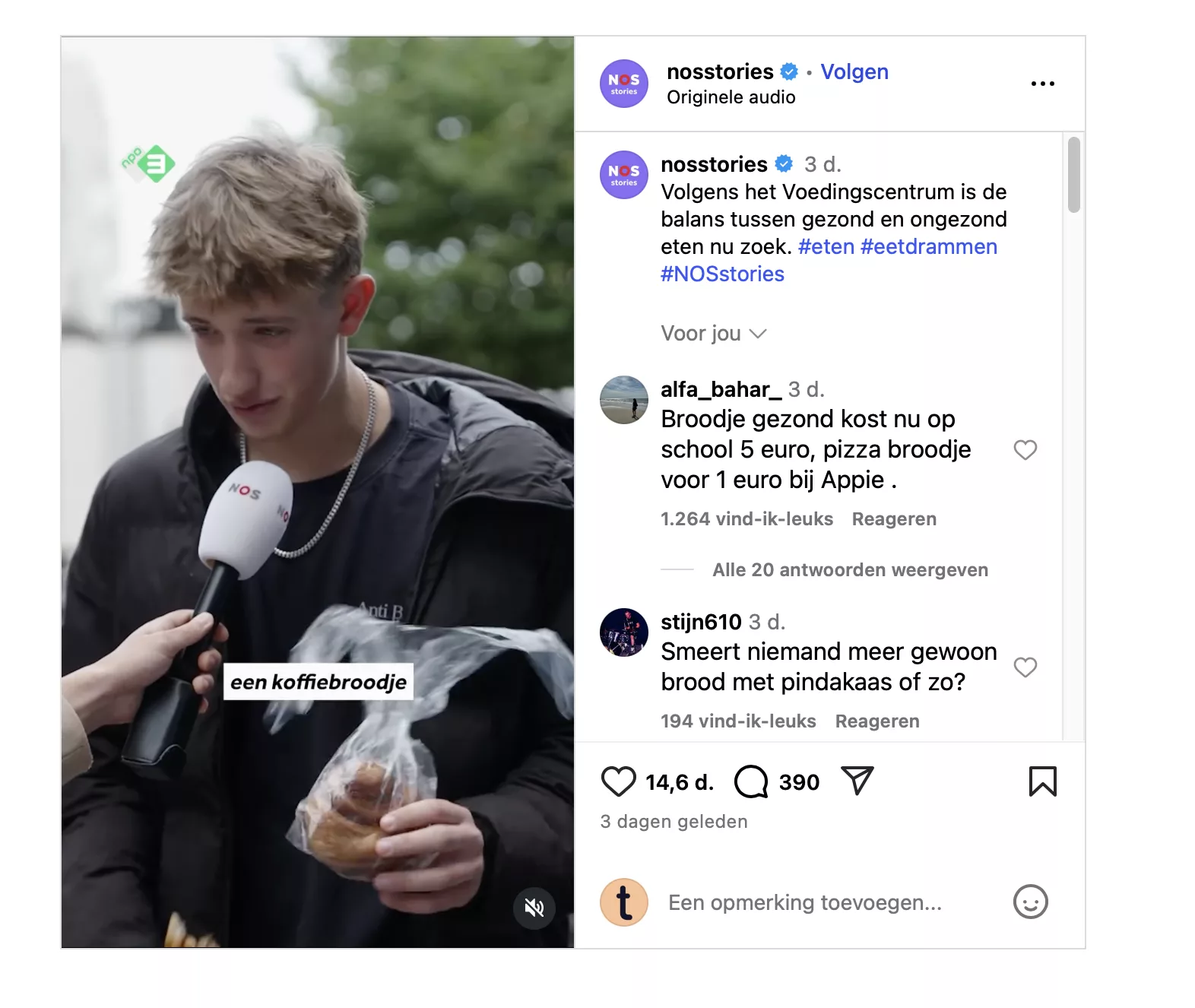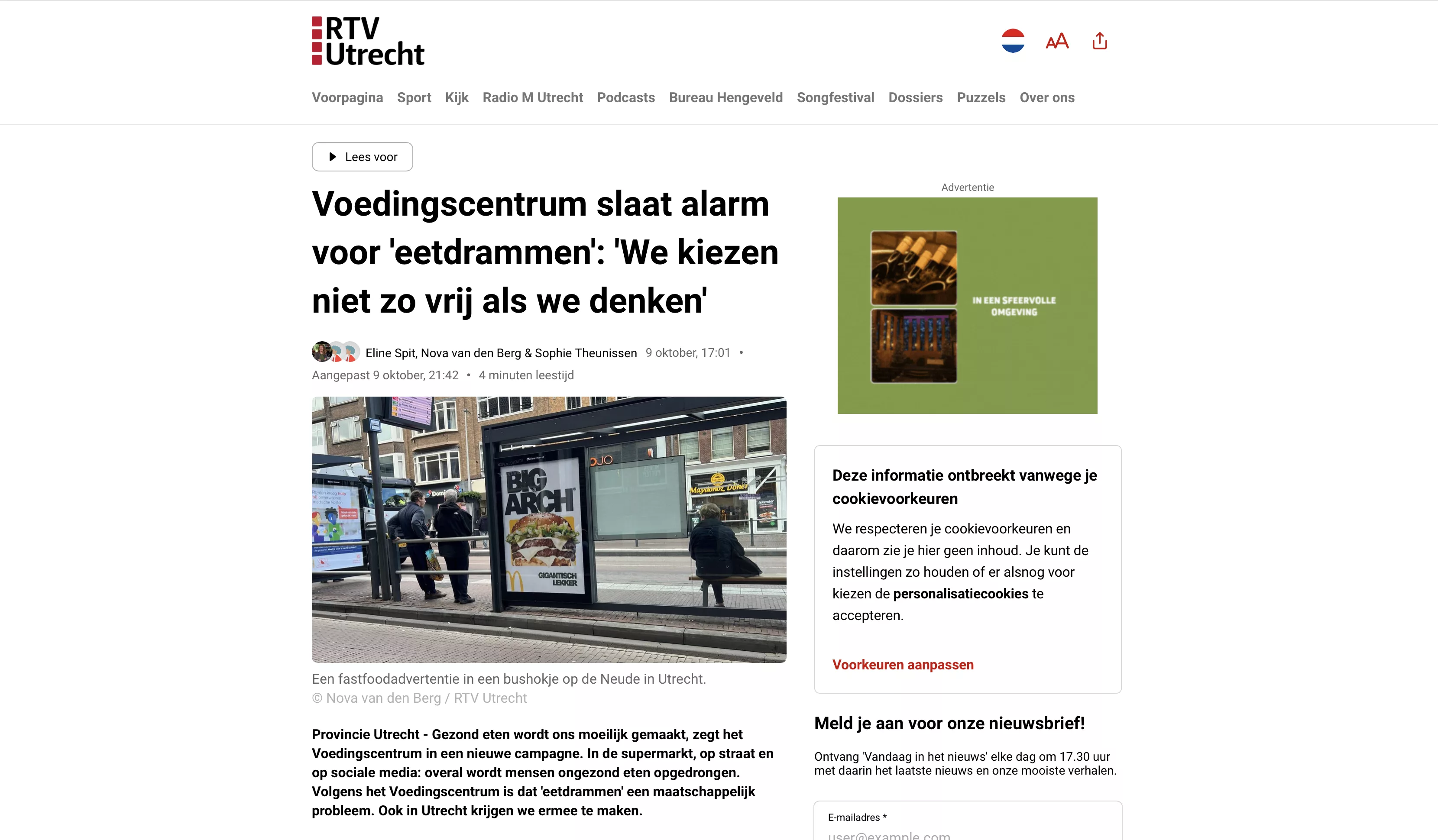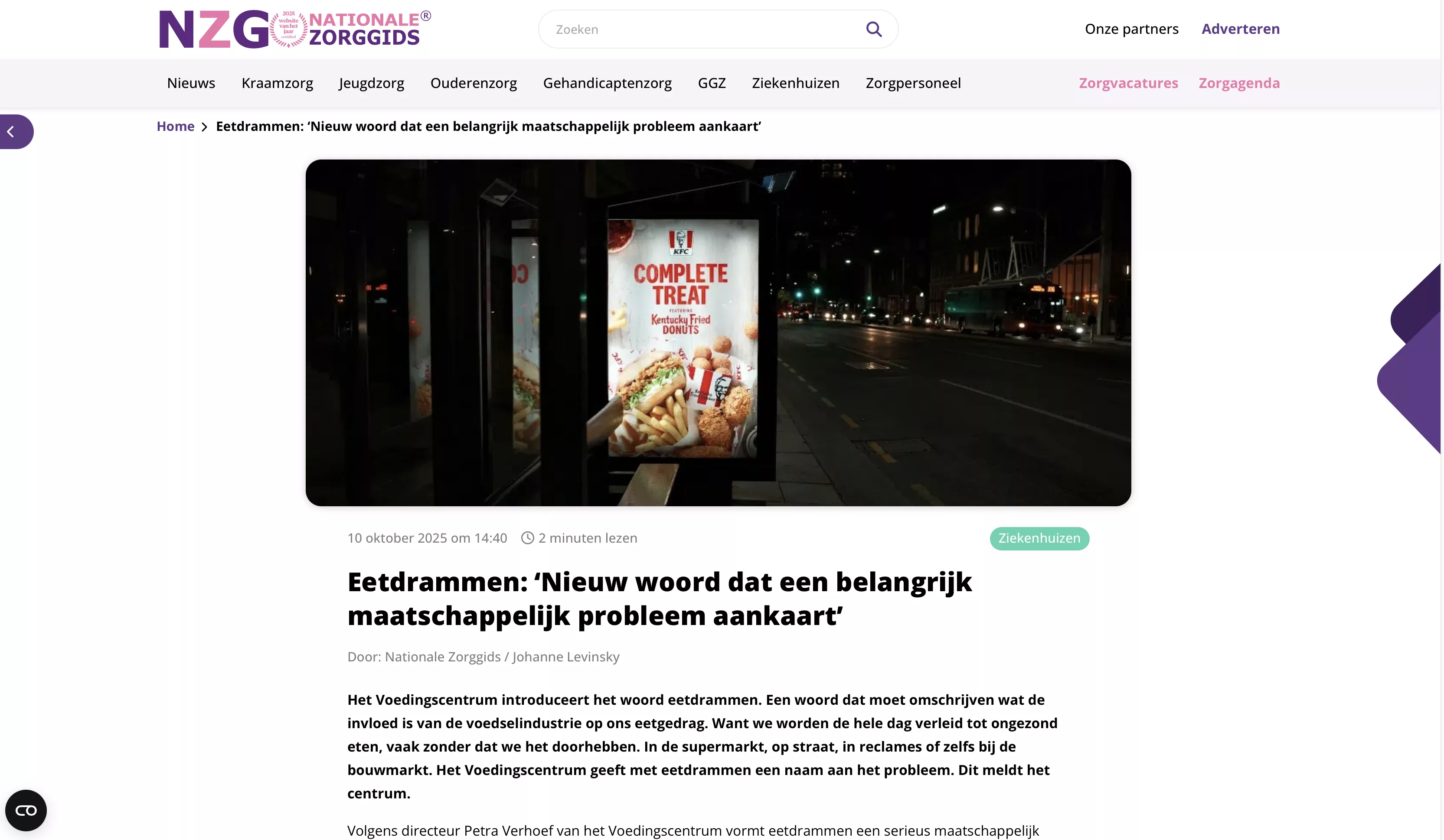
Unhealthy food is everywhere. In supermarkets, on the street, at stations, at sports clubs and on social media, people are constantly nudged towards less healthy choices.
For the Netherlands Nutrition Centre, this was a different challenge than traditional nutrition education. Not another tip on how to eat more healthily, but a way to make visible that the environment itself constantly makes unhealthy food easier and more tempting.
Much of the communication around healthy eating starts with the individual: what can you do differently? But with an unhealthy food environment, the issue runs deeper. People live in an environment where unhealthy food is made available, visible, inexpensive and attractive everywhere.
Healthy choices can therefore feel like a test of personal discipline, while people are being influenced all day by availability, advertising, convenience and social norms.
The real question became: how do you show that unhealthy choices are not simply an individual failure, but the result of an environment pulling at you all day long?












The breakthrough was to move the problem.
Not: you need more willpower.
But: look at how often unhealthy food pushes itself on you.
This idea shifted the Netherlands Nutrition Centre’s role:
From: trusted guide in healthy eating.
To: an agenda-setting organisation that makes a systemic imbalance visible.
The central idea became:
the Food Ambush.
Food Ambush gave a name to something everyone recognises but may not consciously notice. Naming the problem made it visible. And what becomes visible can be discussed.
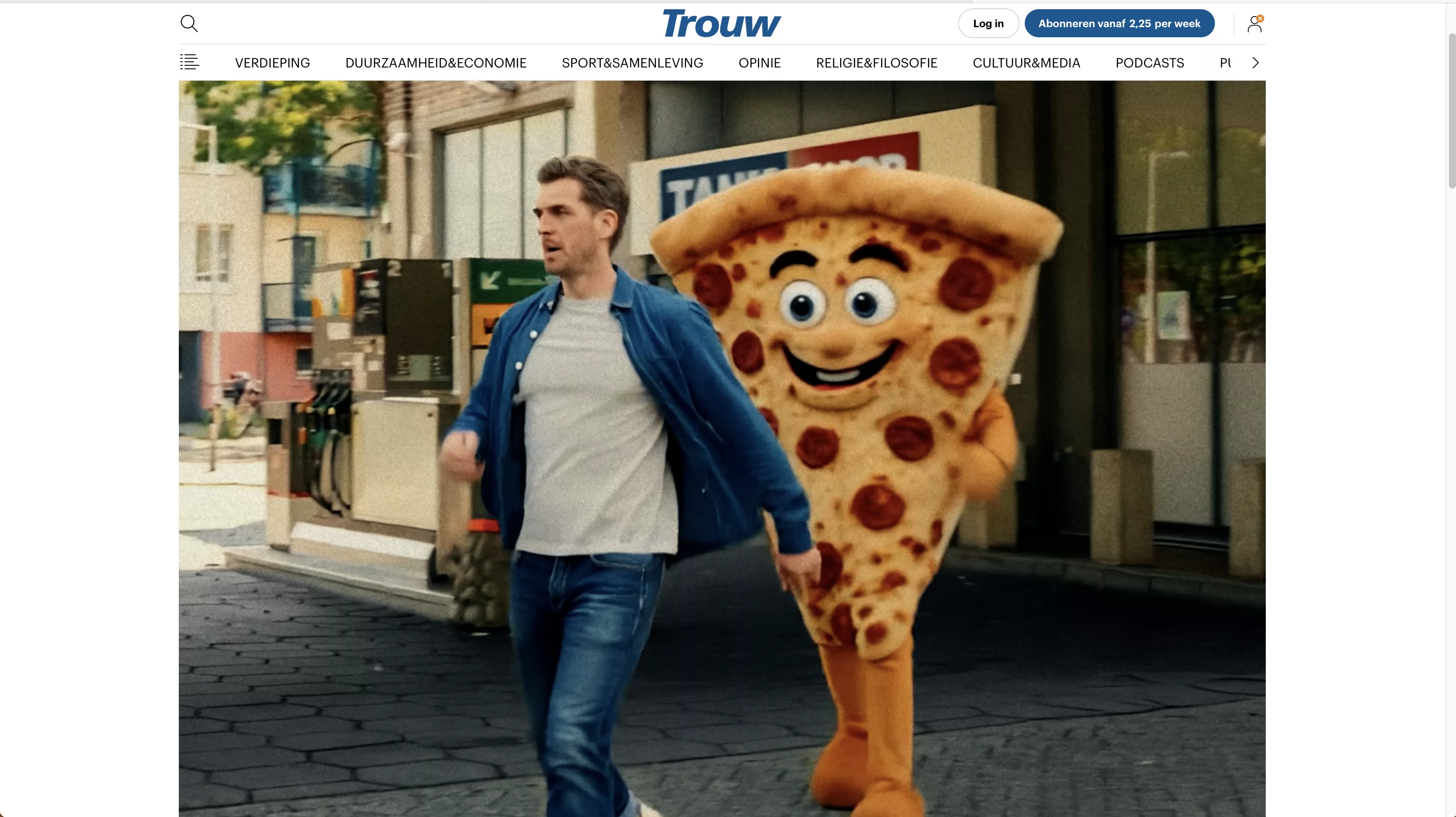
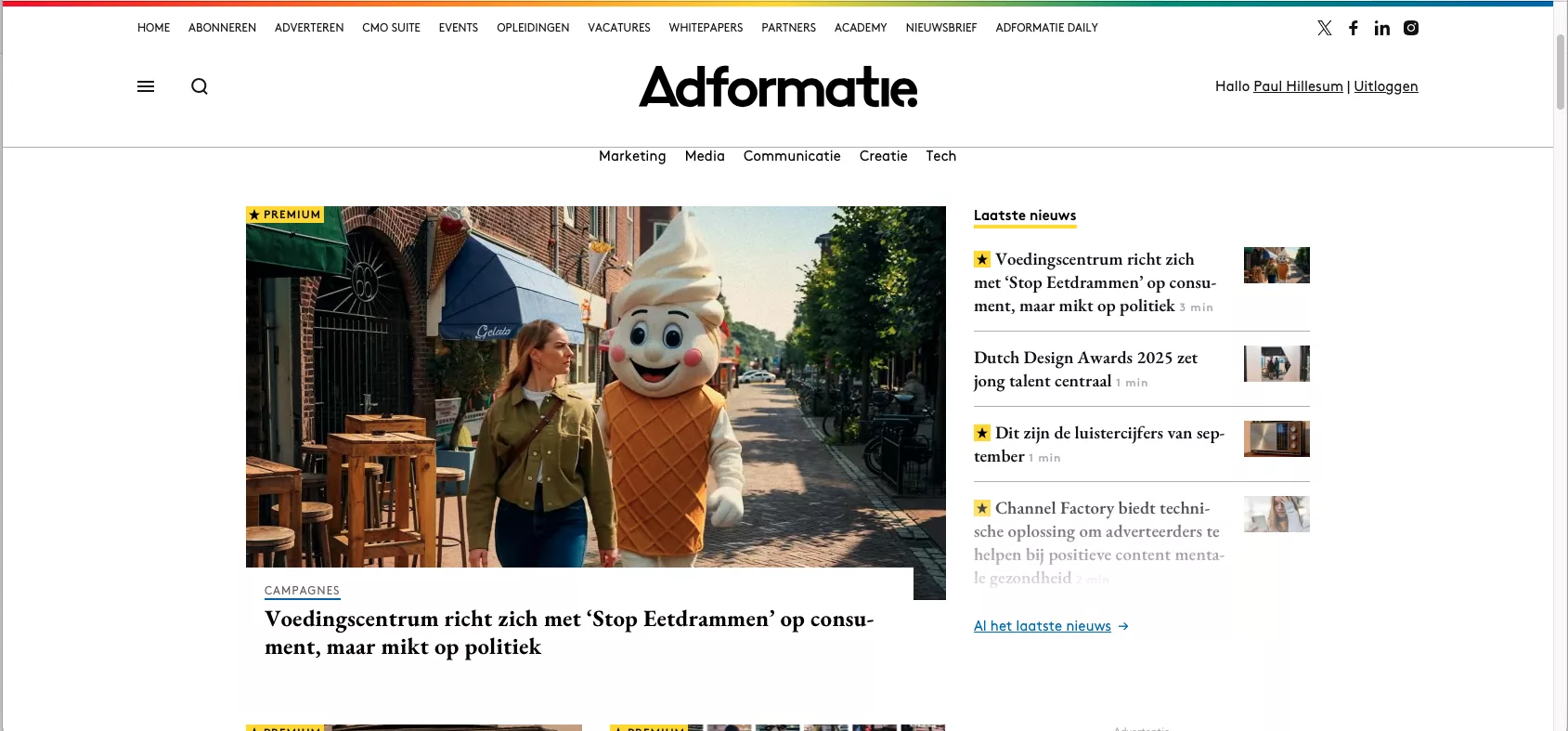
Stop the Food Ambush made the unhealthy food environment human, recognisable and slightly absurd. Unhealthy products became pushy characters that keep forcing themselves into view.
The movement came by shifting from personal responsibility to societal responsibility.
From: you need to choose more healthily.
To: our environment makes unhealthy choices too easy and too pushy.
That allowed the Netherlands Nutrition Centre to put the unhealthy food environment on the agenda without becoming moralistic.
Truman developed, among others: