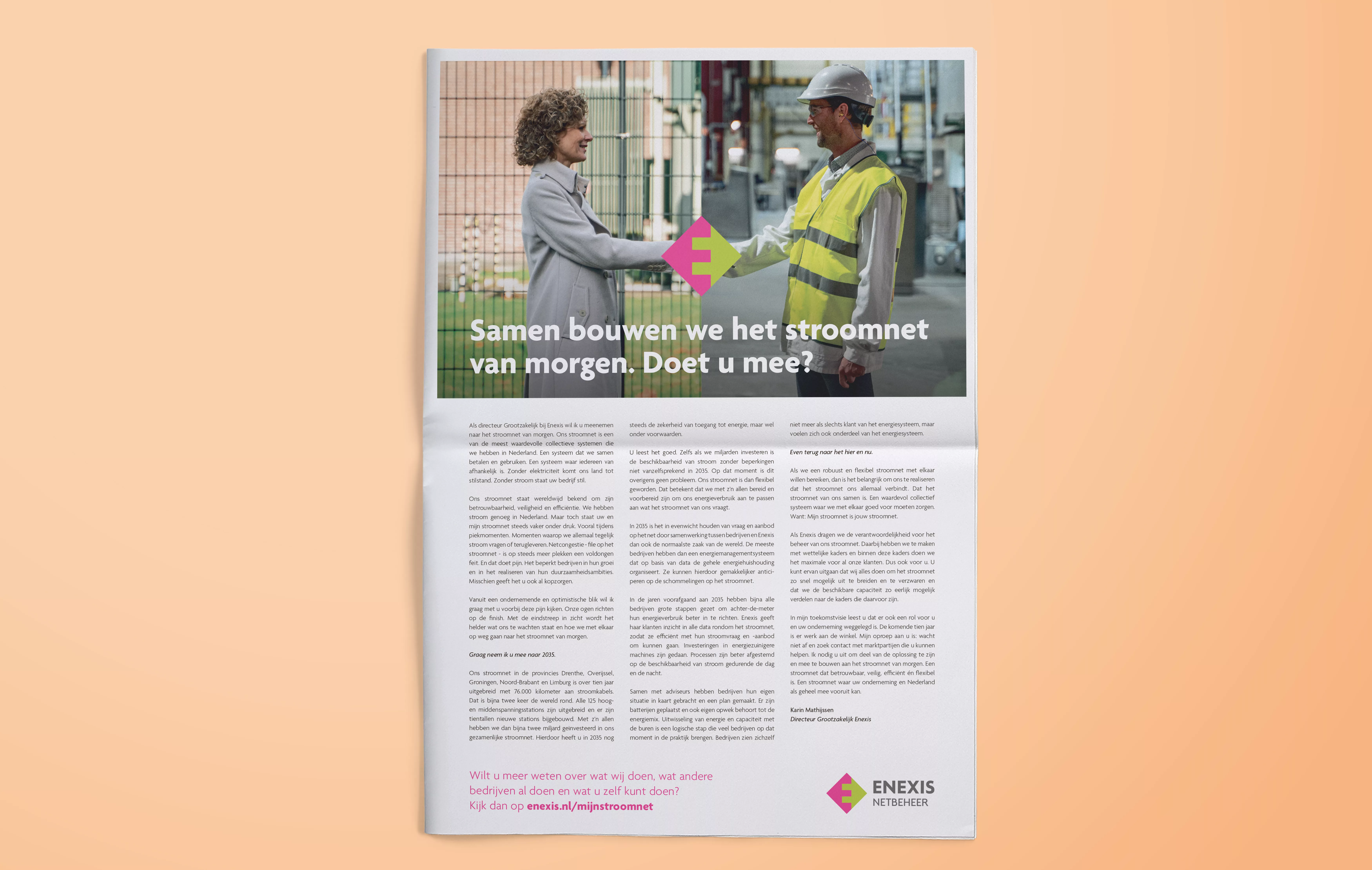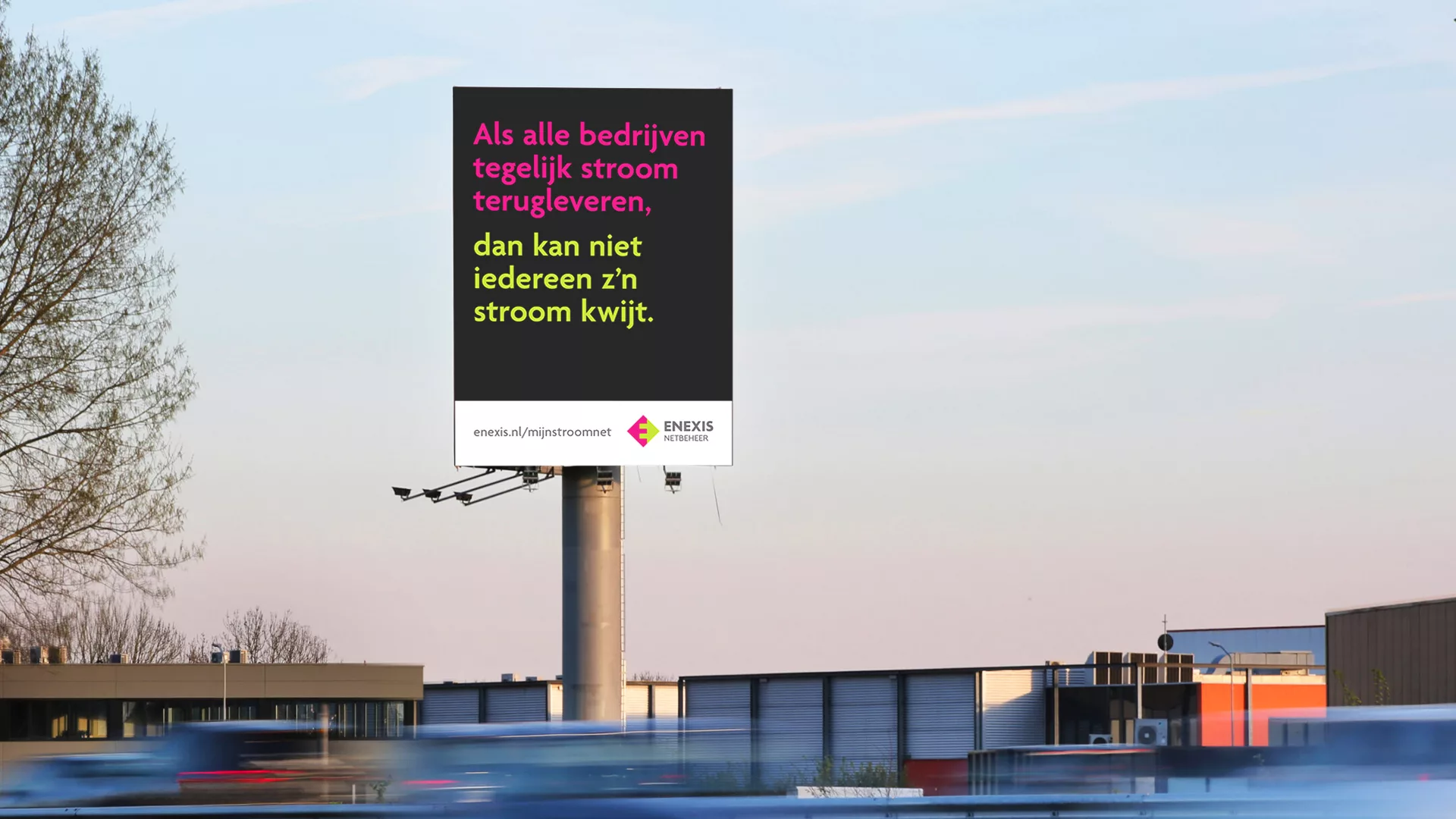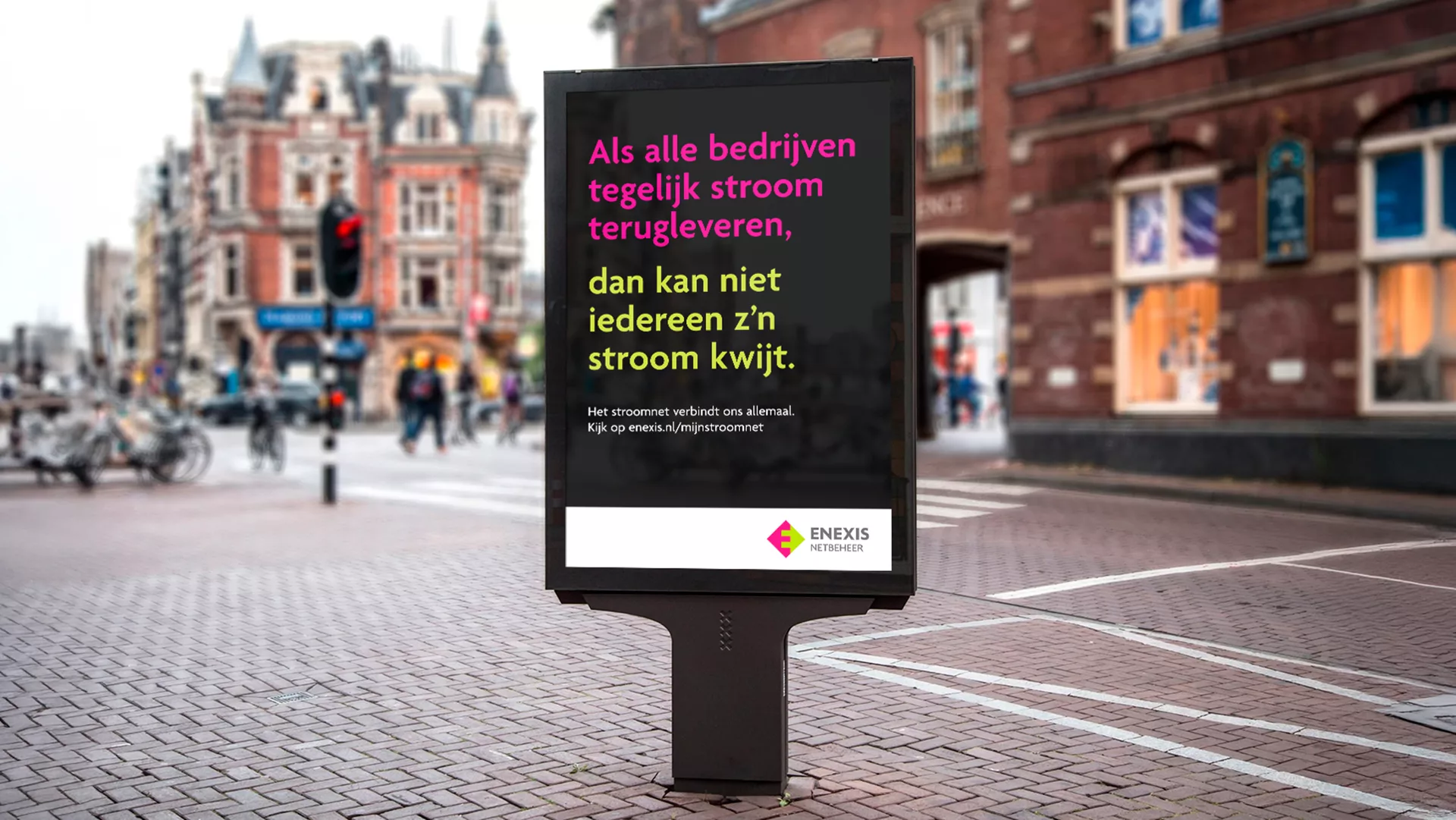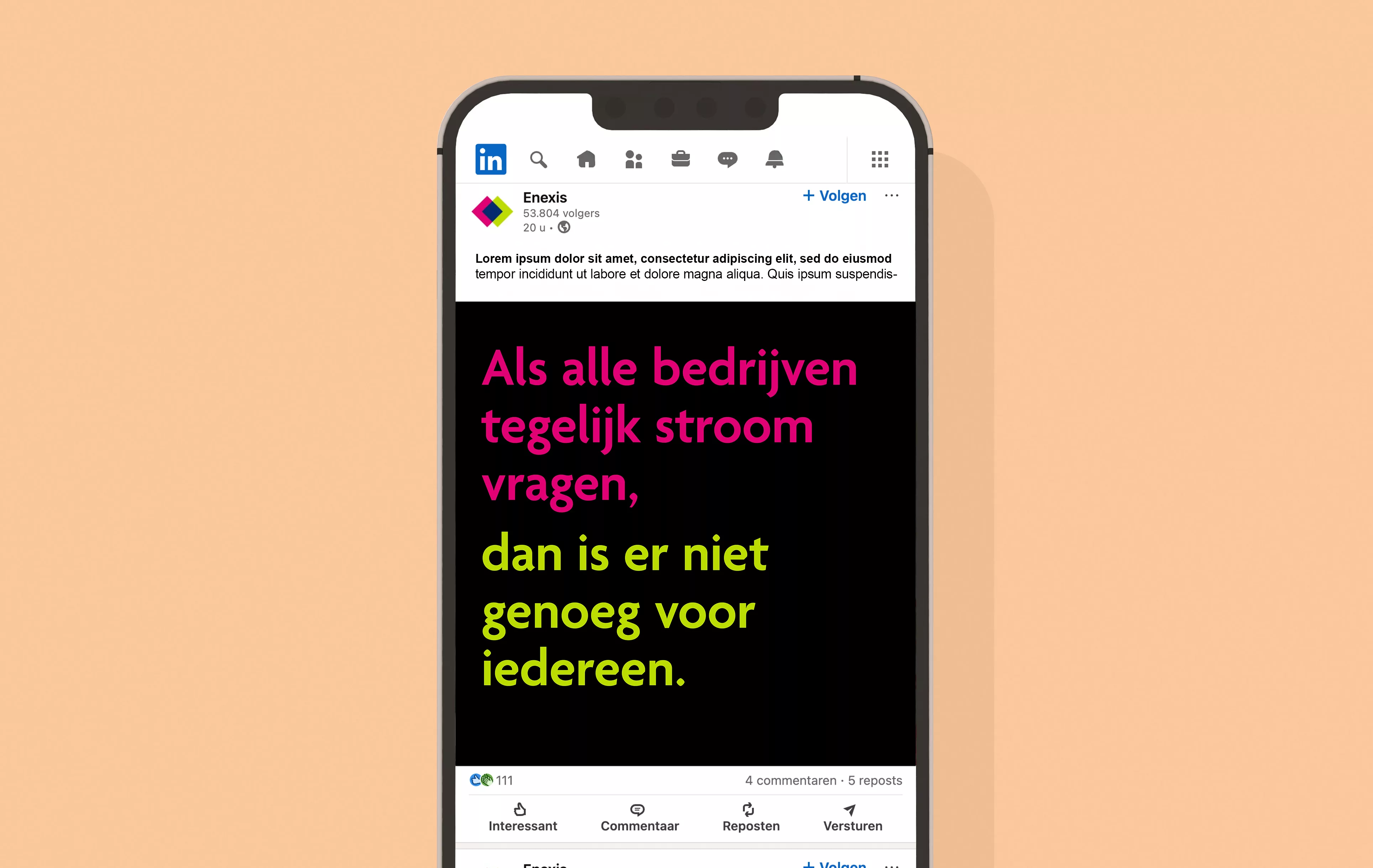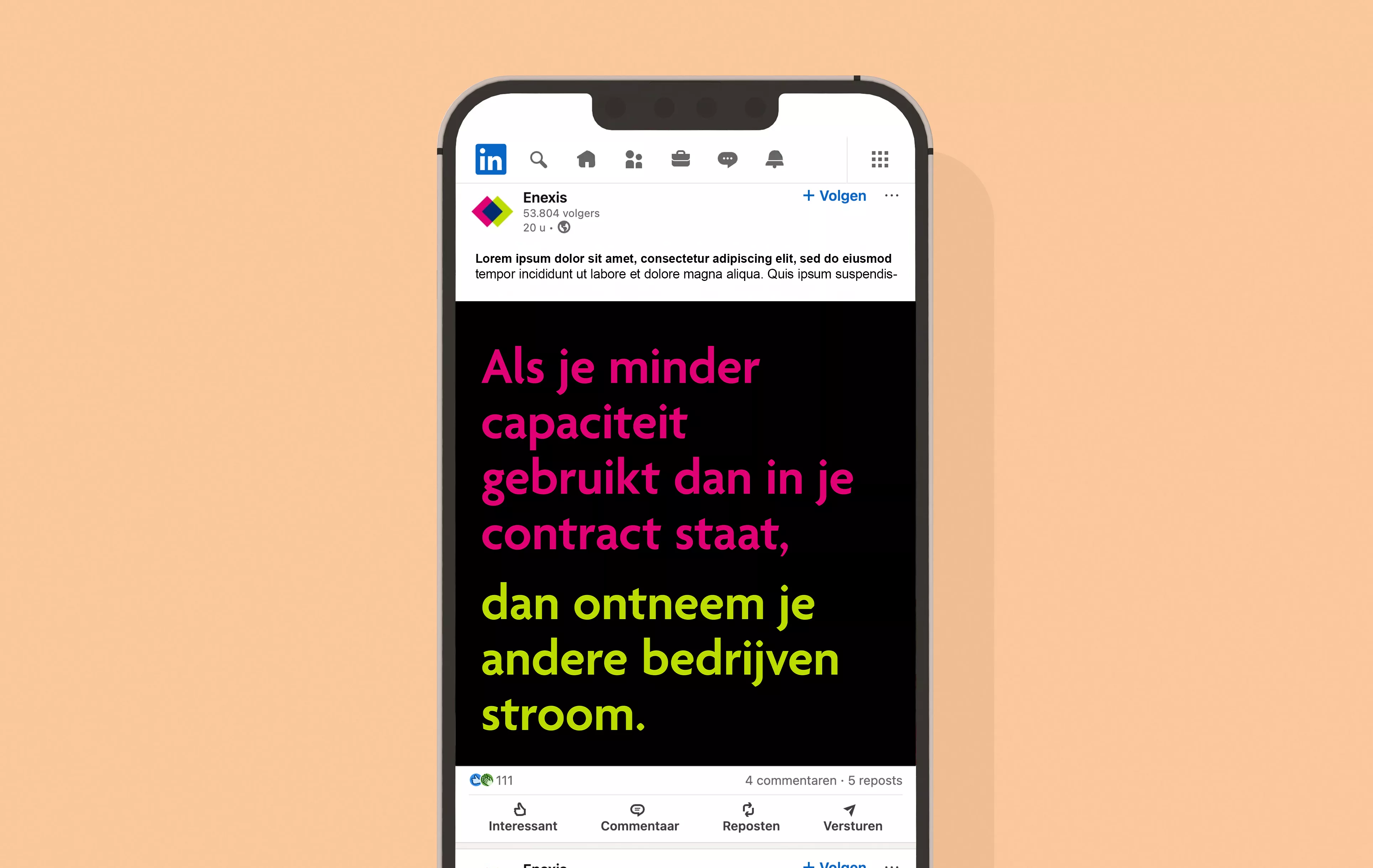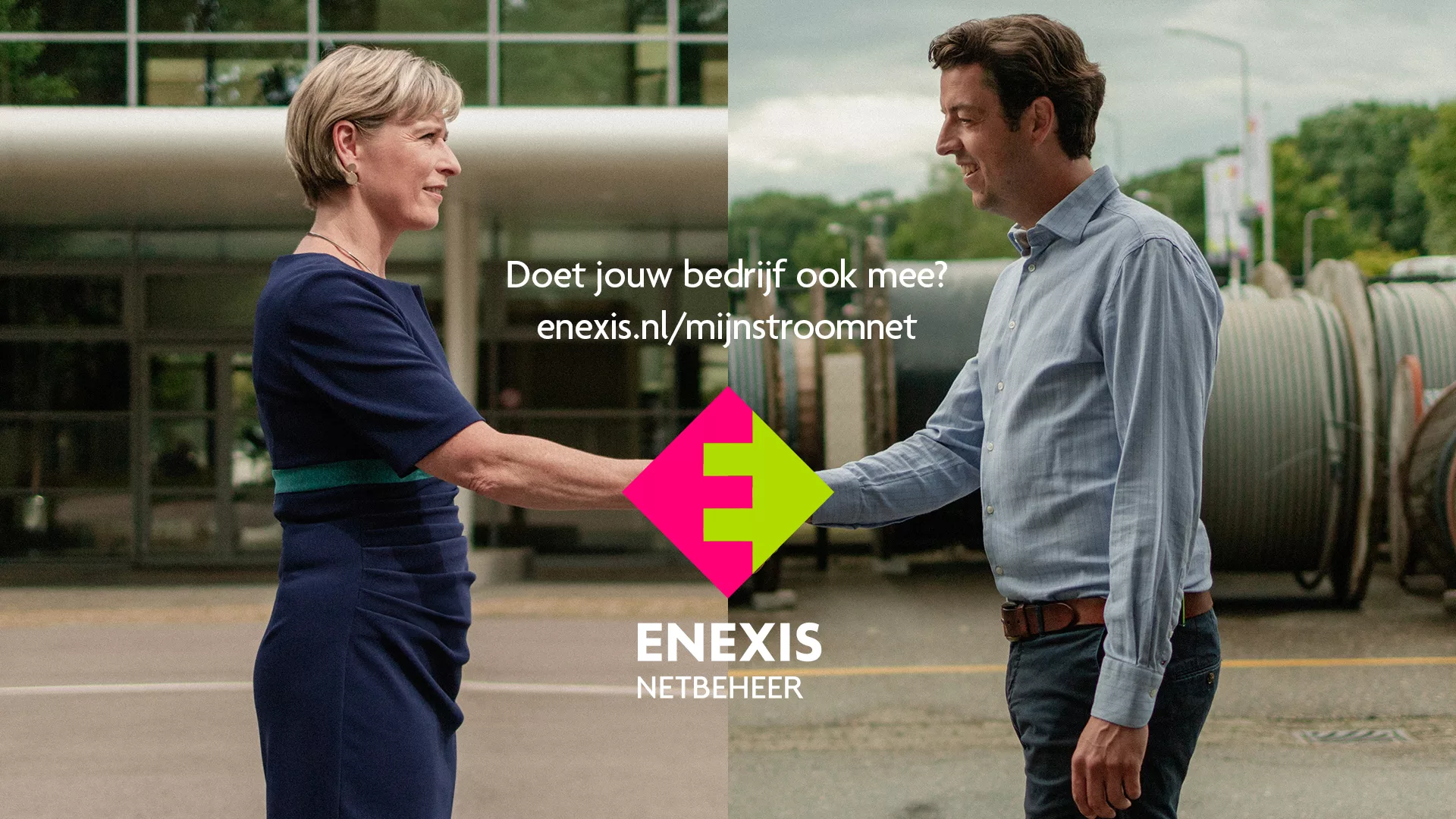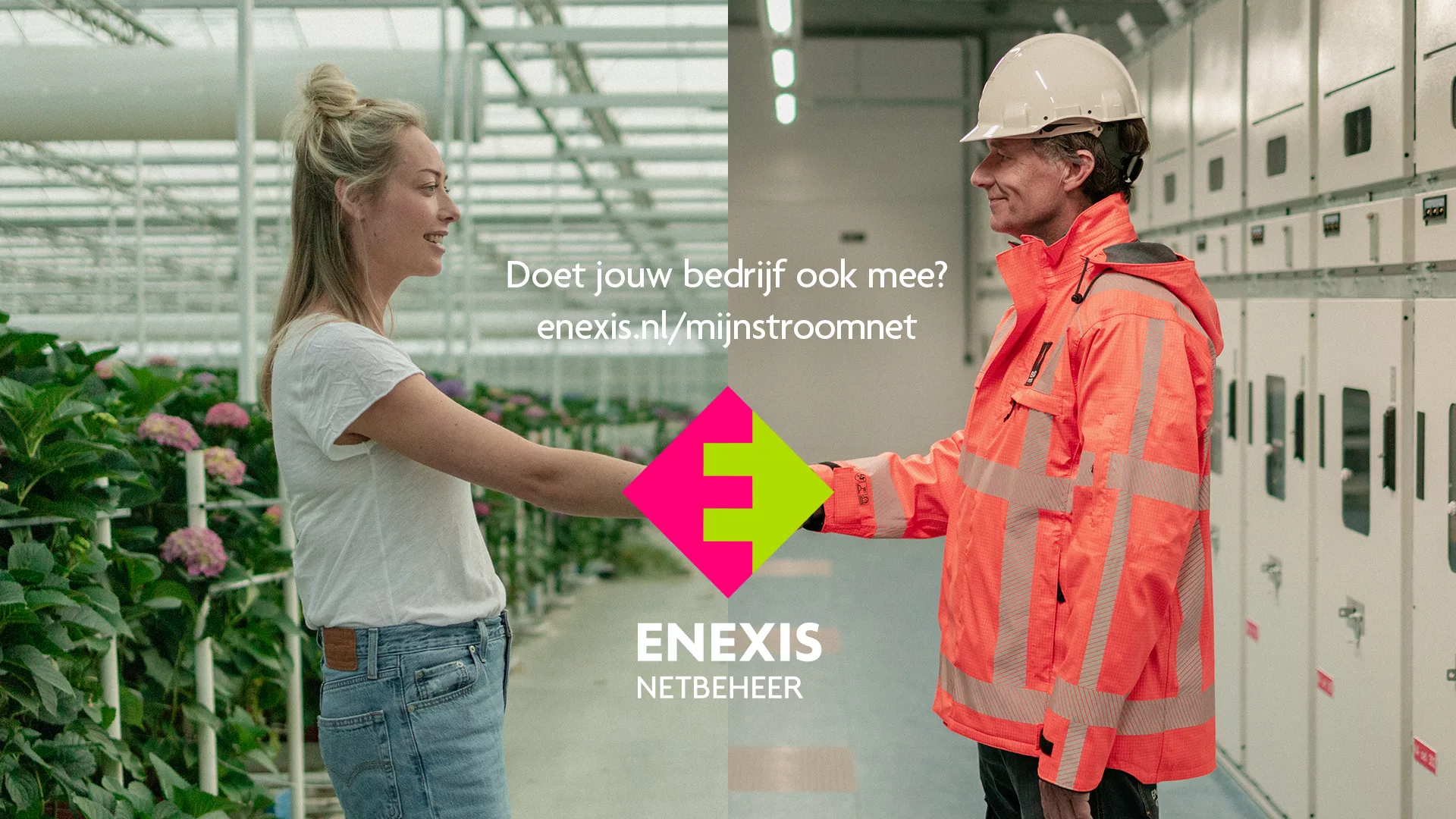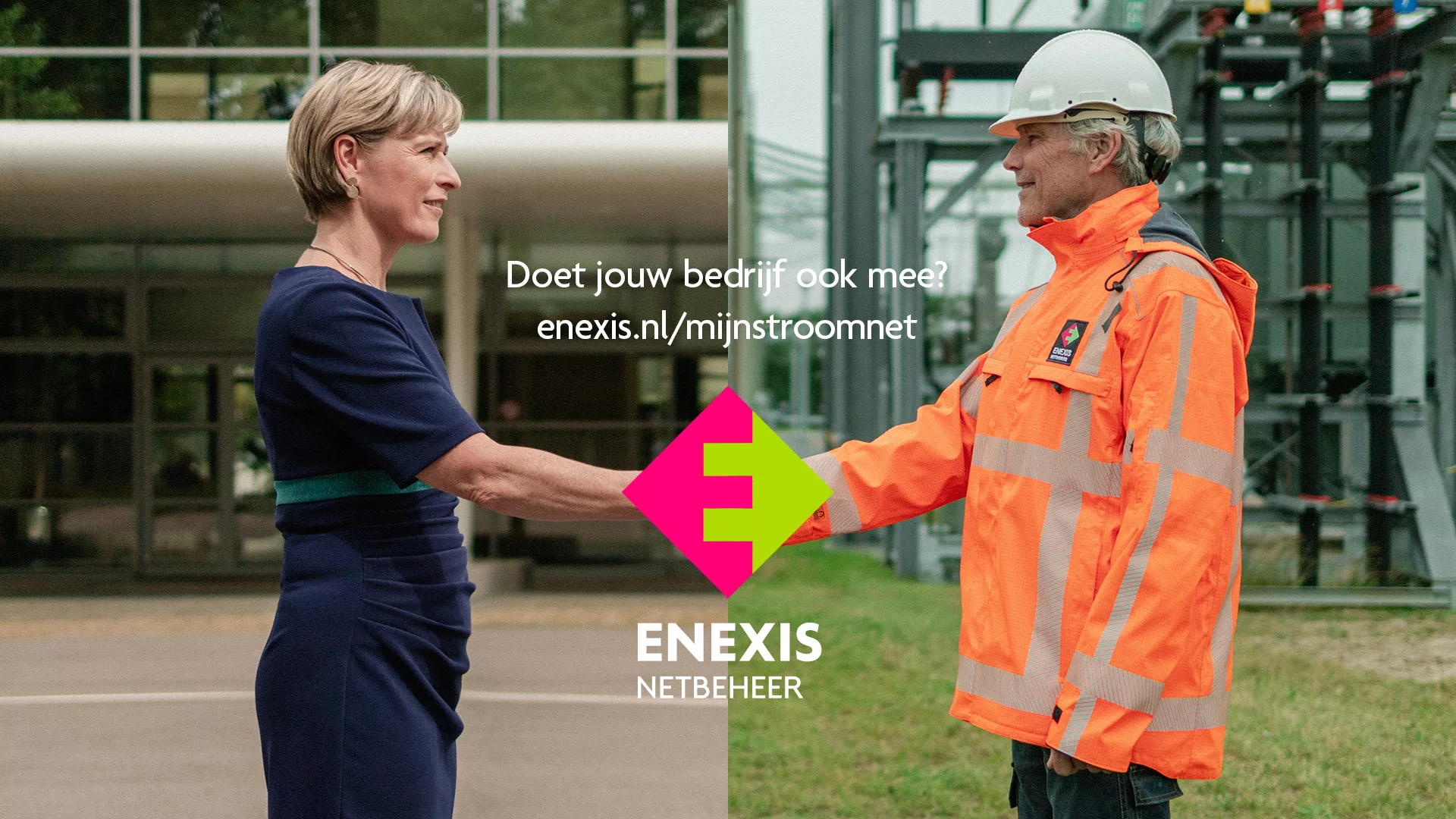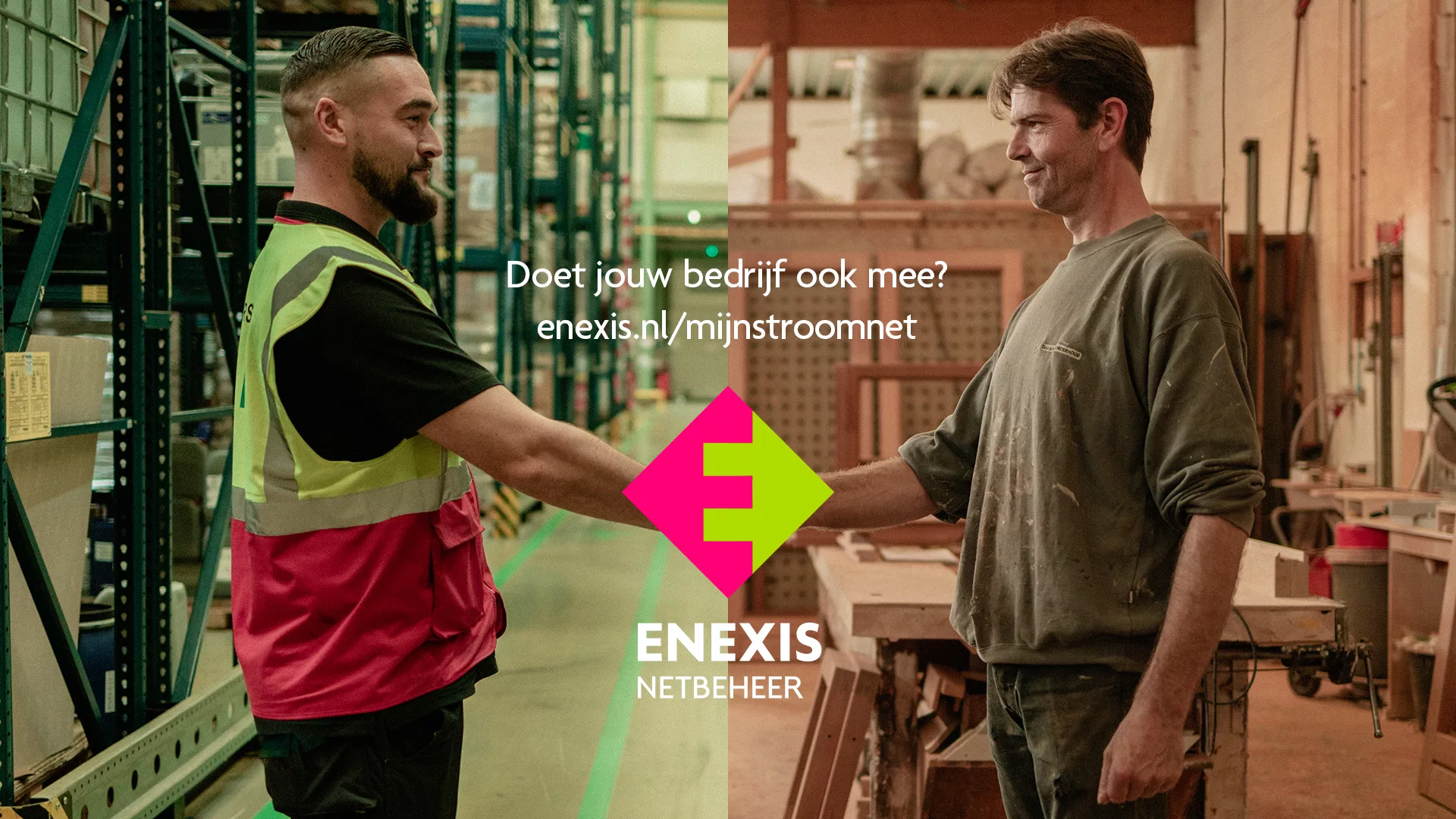
As the energy transition gathered pace, access to the electricity grid could no longer be taken for granted. Businesses wanted to become more sustainable, municipalities wanted to build, and households were installing solar panels, EV chargers and heat pumps. But the power grid could no longer keep up with the speed of this change.
That created a new challenge for Enexis: not simply to explain grid congestion, but to help customers, public bodies and partners understand what this new reality asks of everyone. The customer relationship changed as well: from a service desk where a connection was effectively guaranteed, to a partner in an ongoing conversation about what is and is not possible on a faltering power grid.
The electricity grid had always taken for granted as a utility. You requested capacity and could carry on. Grid congestion changed that. For customers, it felt as though decarbonisation, growth or expansion was suddenly being held back.
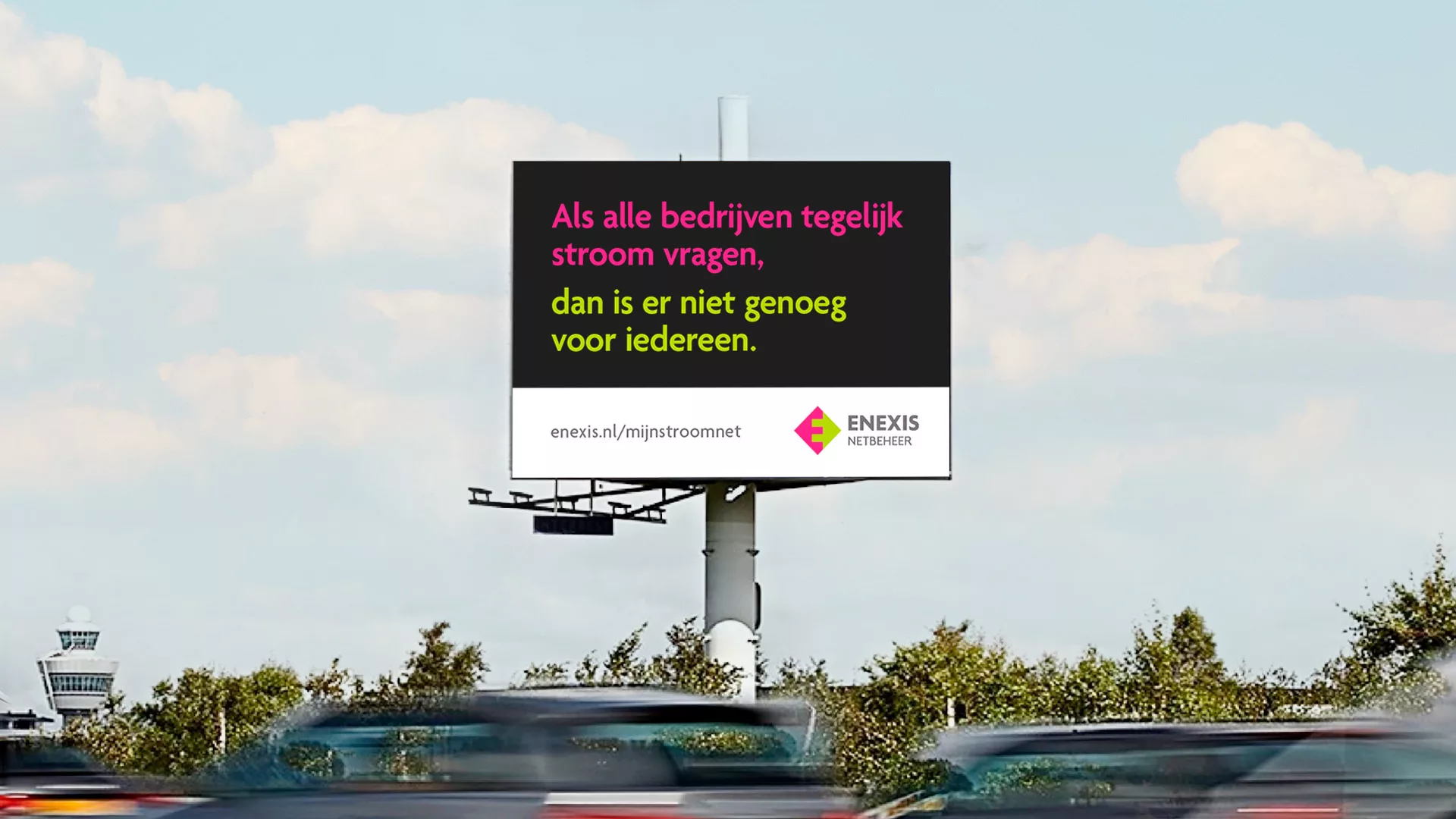
A purely technical explanation would create distance. Focusing only on what could not be done would fuel frustration. And an overly optimistic story would underplay the seriousness of the situation.
The real question became: how do you turn a grid at capacity from a story about blame and scarcity into one about shared responsibility?
The breakthrough was to reframe the grid itself. Not as invisible Enexis infrastructure. Not as a technical constraint for individual customers. But as a collective system that everyone uses and everyone can influence. Something we all have forgotten a bit.
That shifted the story:
From: the power grid as an Enexis utility
To: the power grid as a shared responsibility.
The central idea became:
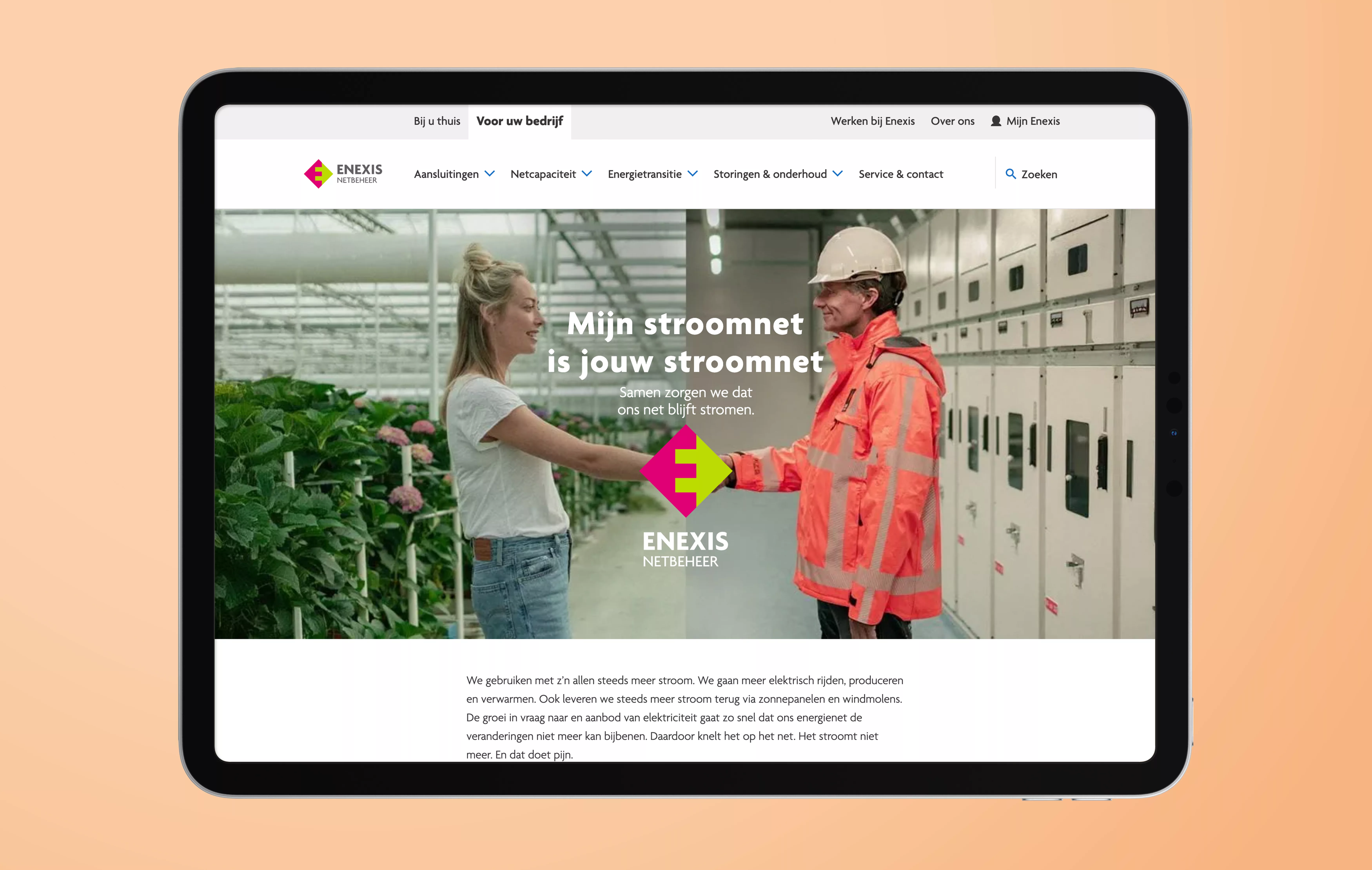
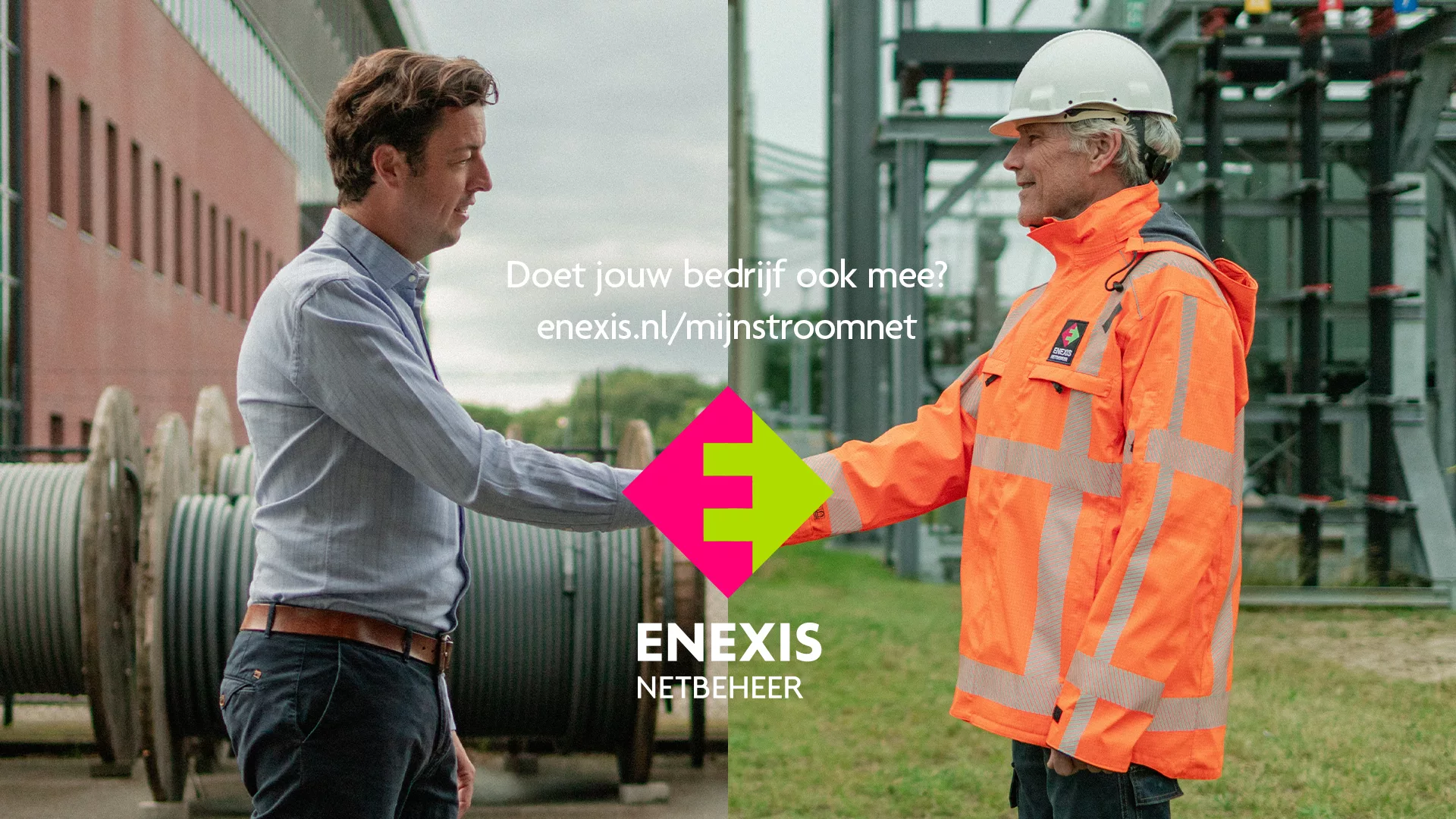
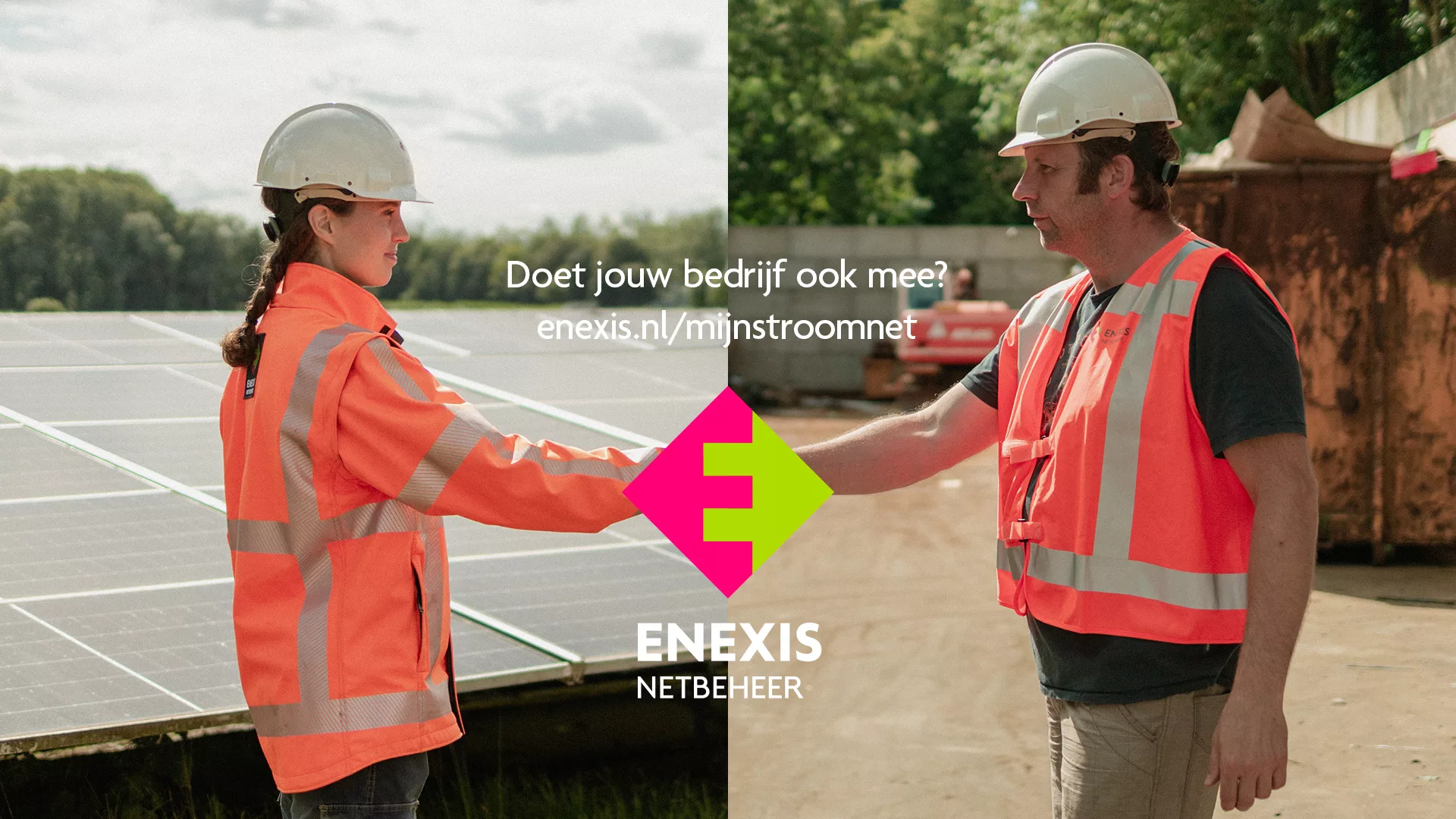
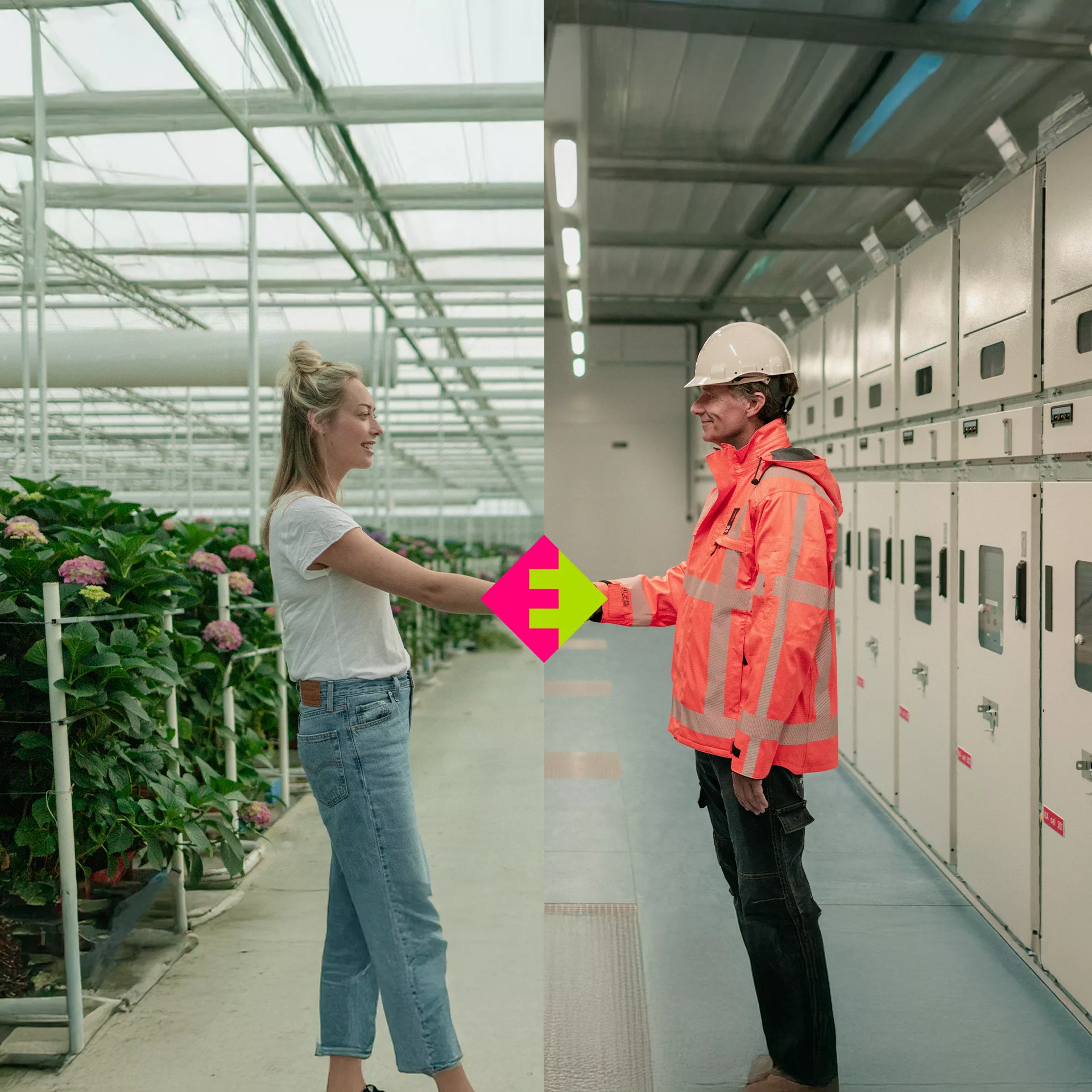
My power grid is your power grid.
That shift made grid congestion more personal, understandable and actionable. The grid is not an abstract system behind the meter, but a shared foundation beneath businesses, neighbourhoods, municipalities, homes, charging points, factories, schools and hospitals.
How it worked
The narrative gave Enexis a common language to explain the new reality. Relationship managers gained a more personal, consistent story for conversations with major business customers. Content and communications had a clear job to do: make complexity understandable, turn frustration into understanding and offer actionable ways forward.
The movement came by moving from individual thinking to collective awareness.
From: my connection, my expansion, my decarbonisation, your problem.
To: our power grid, our challenge, our choices, our future.
In that way, Enexis became not only the organisation explaining why something could not be done, but also a guide opening up a conversation about collaboration, flexibility and making smarter use of the grid.
Truman developed, among other things:
• True Story Canvas®
• brand story, B2B manifesto and creative platform
• multi-layered campaign and campaign film
• customer journeys and contact strategy for waiting lists
• customer communications, call scripts and emails
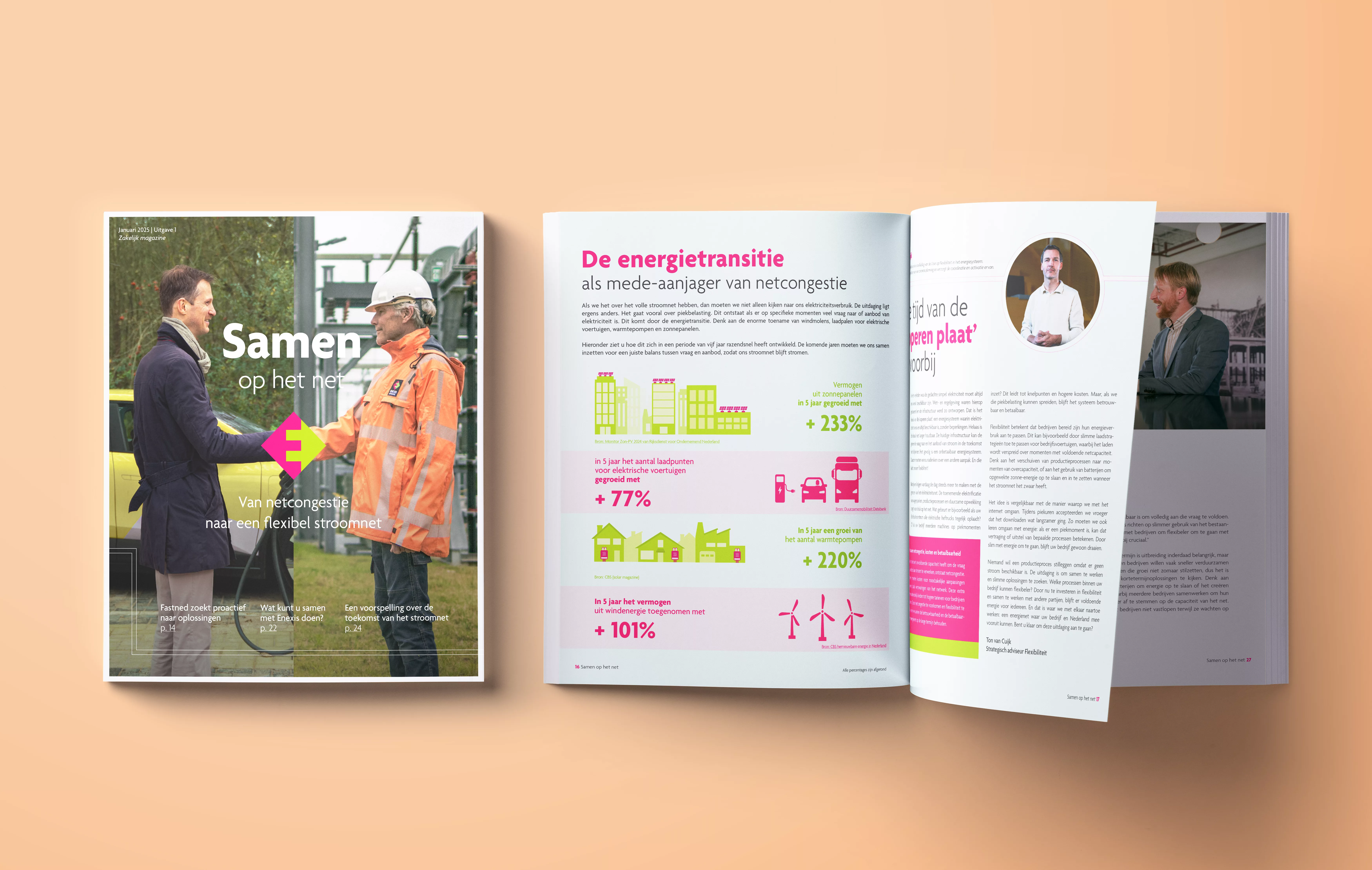
• Nuttige Netzaken explainer format and Samen op het net magazine
• message house, issue house and relationship manager presentation
• proposition development, naming and Flex Team presentation
• visual language and photography for the image library