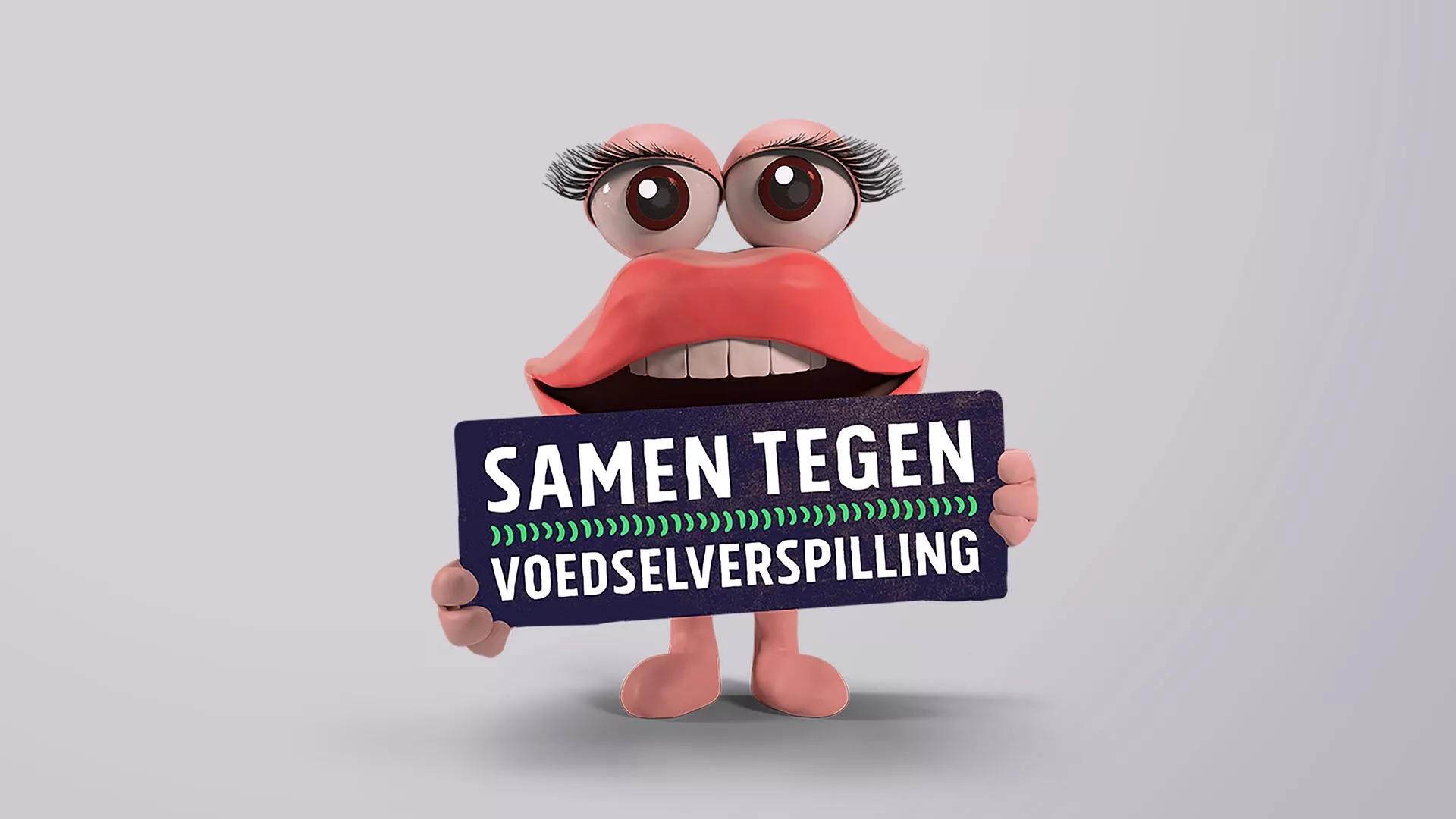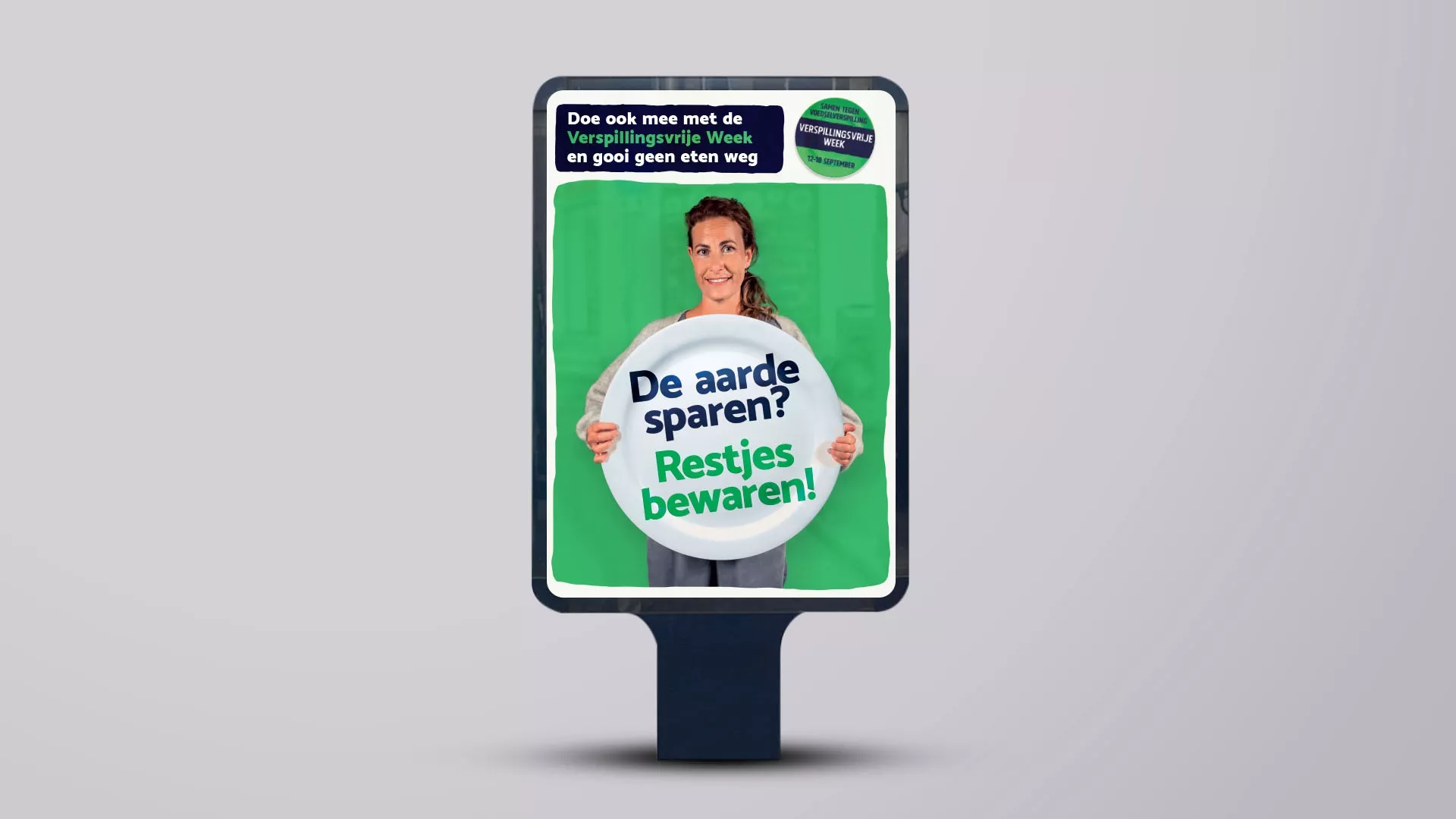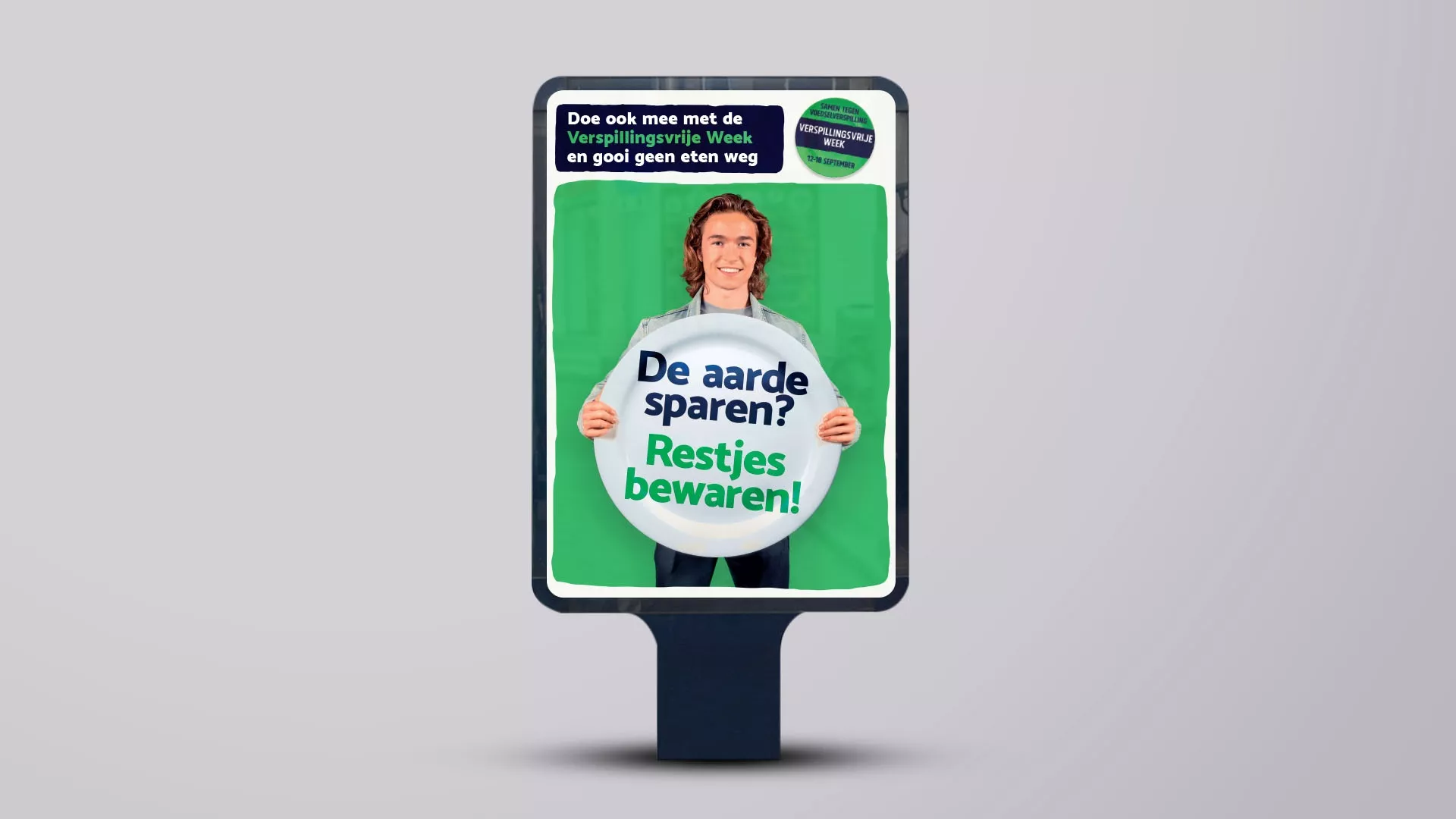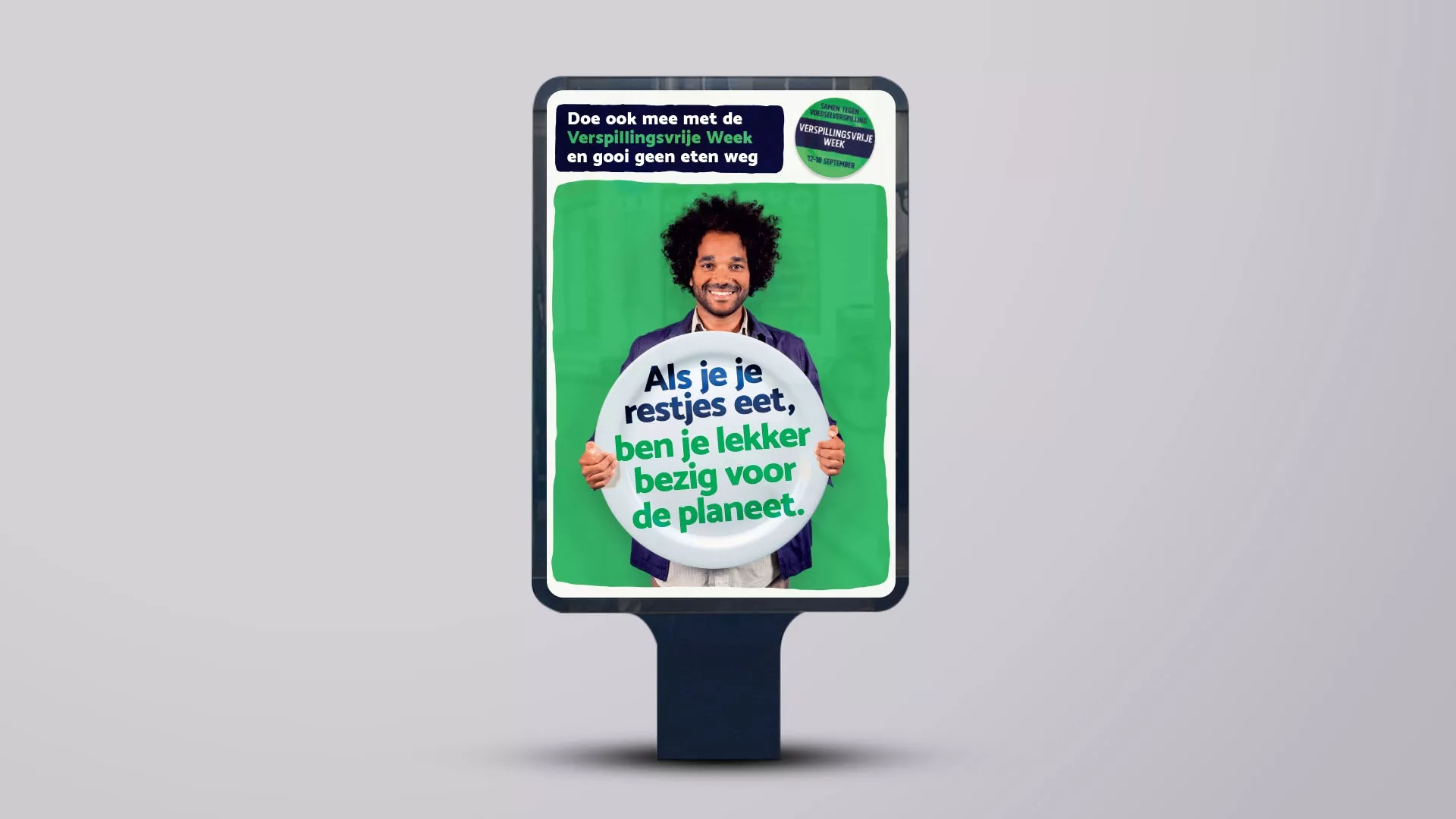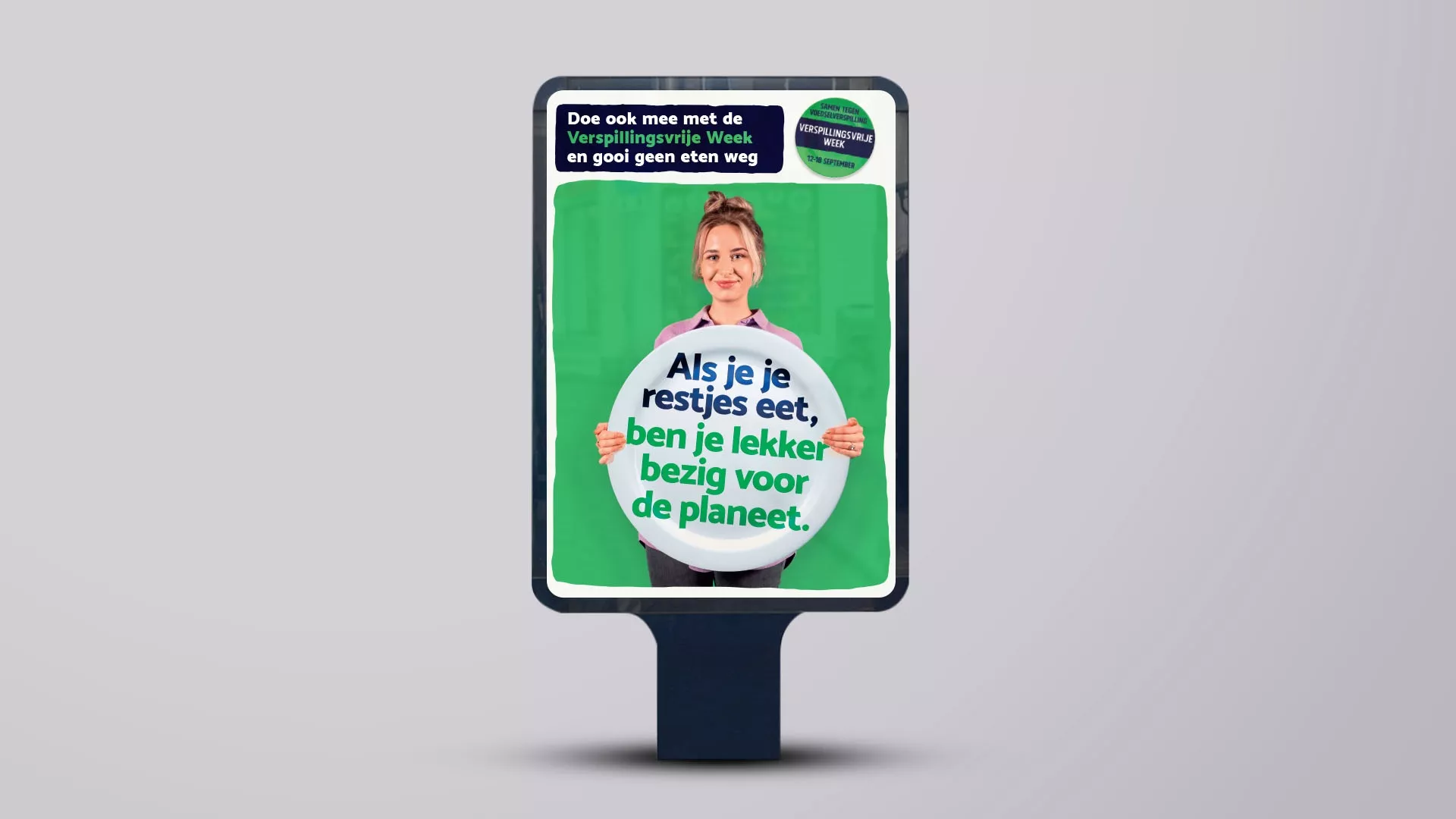
Since 2019, Truman has worked with Samen Tegen Voedselverspilling (together against food waste) on campaigns that help people in the Netherlands waste less food at home. Together with organisations, businesses and government, the foundation aims to halve food waste in the Netherlands by 2030.
The challenge was not awareness alone. Most people know that throwing food away is a waste. Yet in daily life it still happens: we buy too much, store food badly, cook too much, misinterpret expiration dates or simply forget what is already in the kitchen. And, on the whole, we tend to underestimate our own waste.
Food waste is a problem everyone understands, but not everyone feels. It happens in small, everyday moments: stale bread, vegetables forgotten at the bottom of the drawer, leftovers left untouched or products thrown away because a date label has been misunderstood.
So the foundation needed to do more than say food waste matters. It had to help people change what they do at home. Practical, recognisable and never preachy.
The real question became: how do you make wasting less food feel practical, familiar and achievable rather than moralistic or complicated?
The breakthrough came from the idea of “never eaten food”.
Food waste stopped being only an abstract issue measured in kilos, percentages and climate impact. It became something immediately human: food that has been grown, transported, chilled, bought and prepared, only to go uneaten.
That shifted the story:
From: food waste as a source of guilt .
To: becoming waste-free as an achievable everyday habit.
The central activation became:
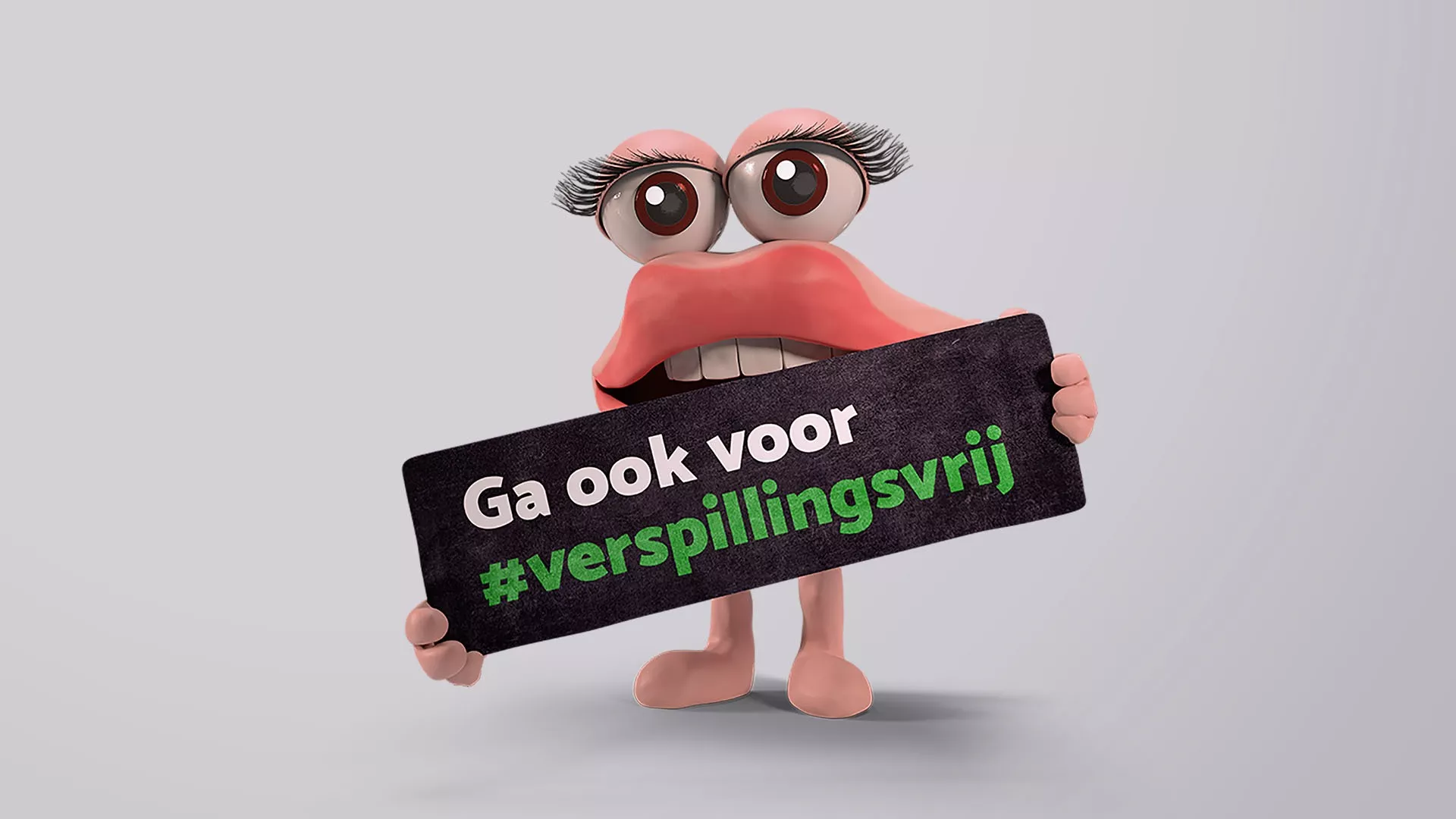
How #foodwastefree are you?
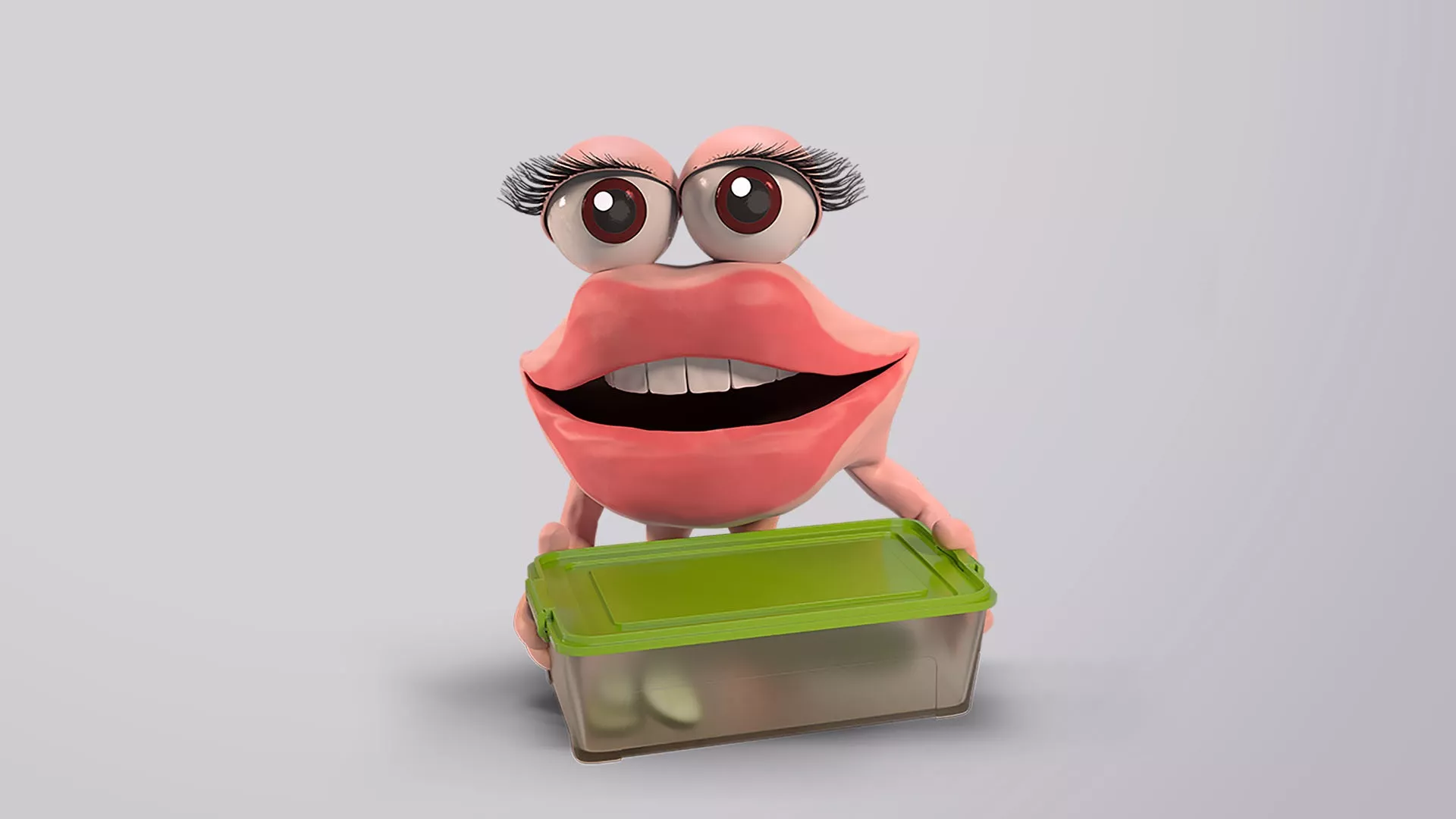
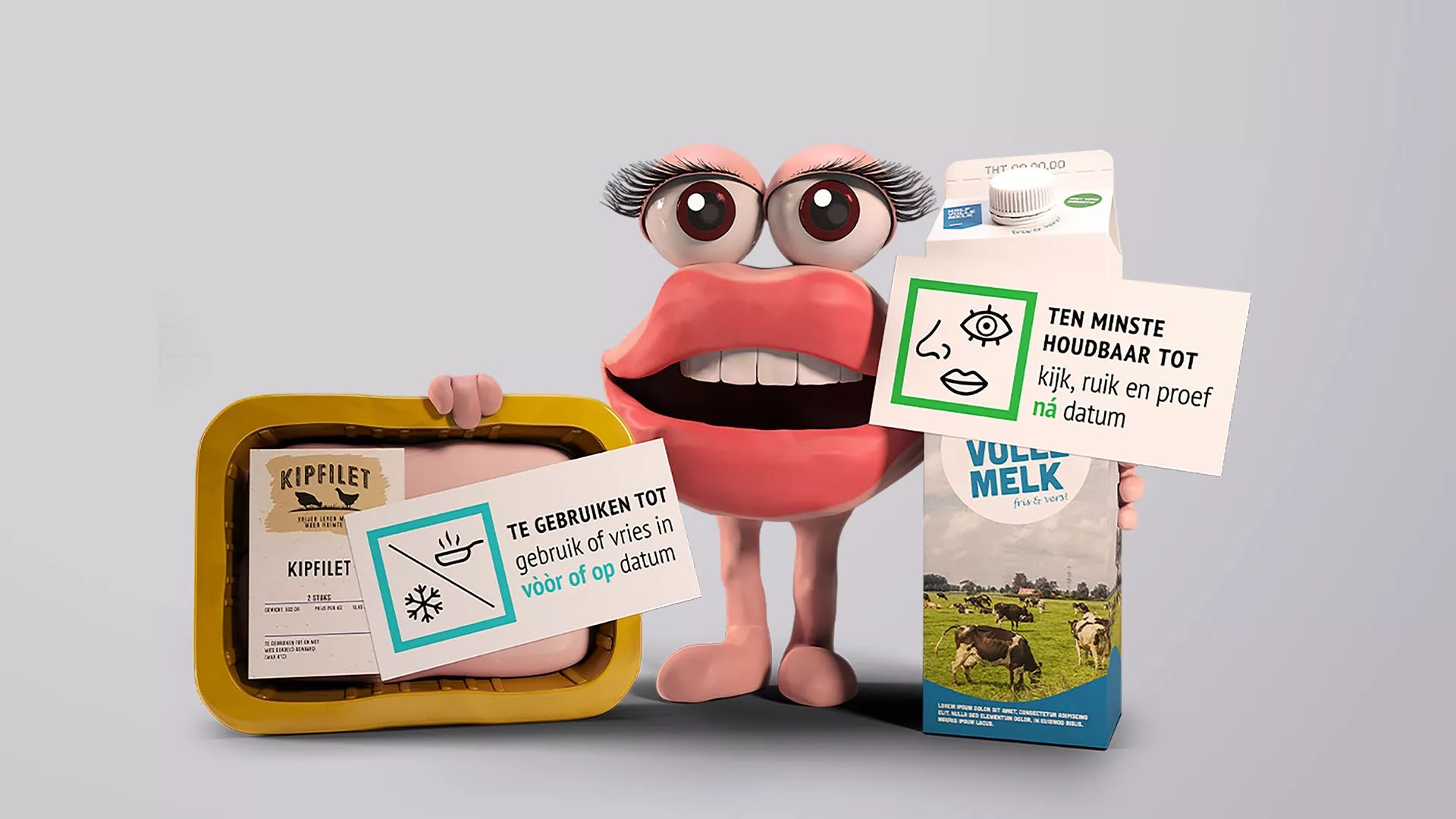
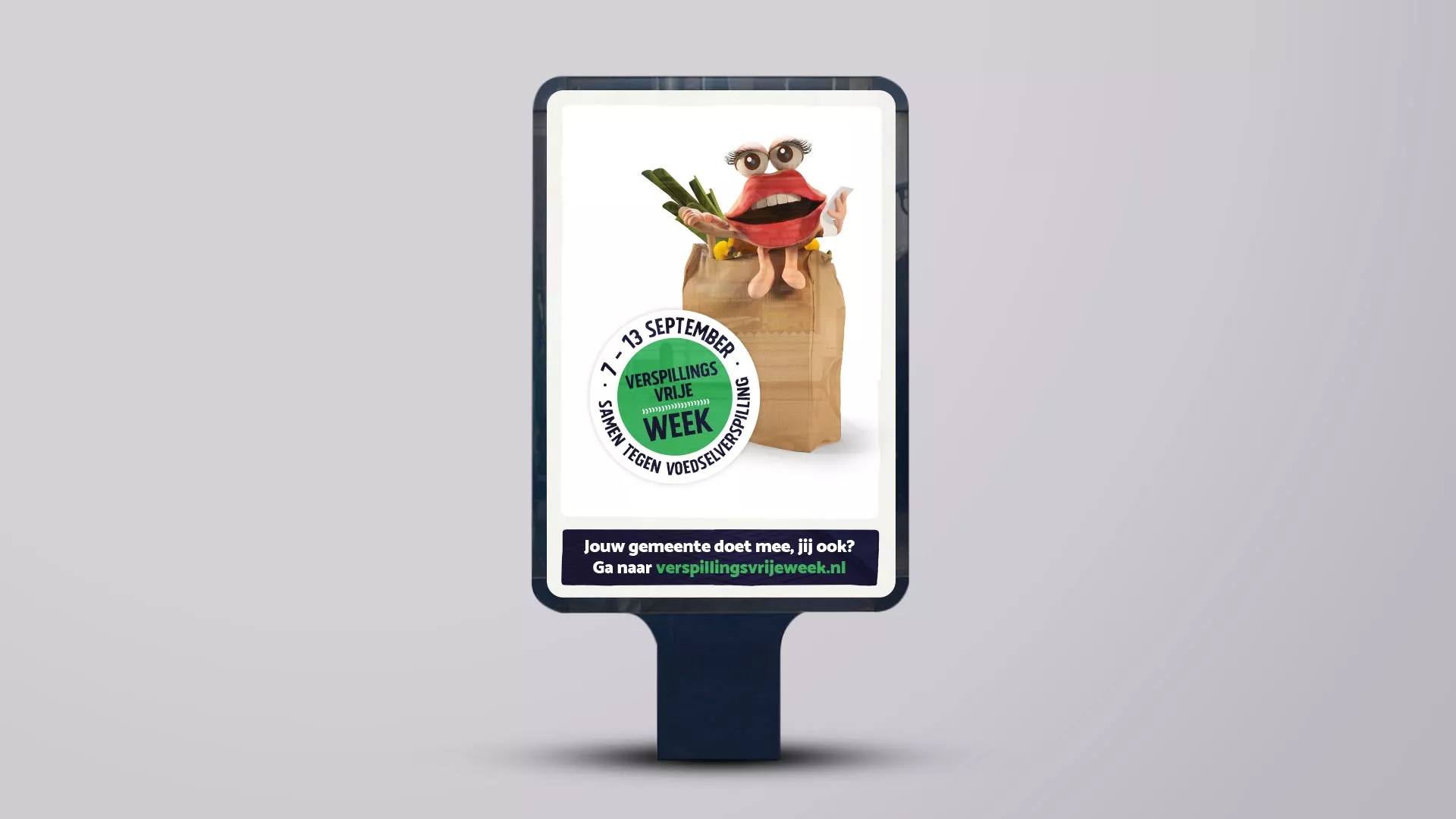
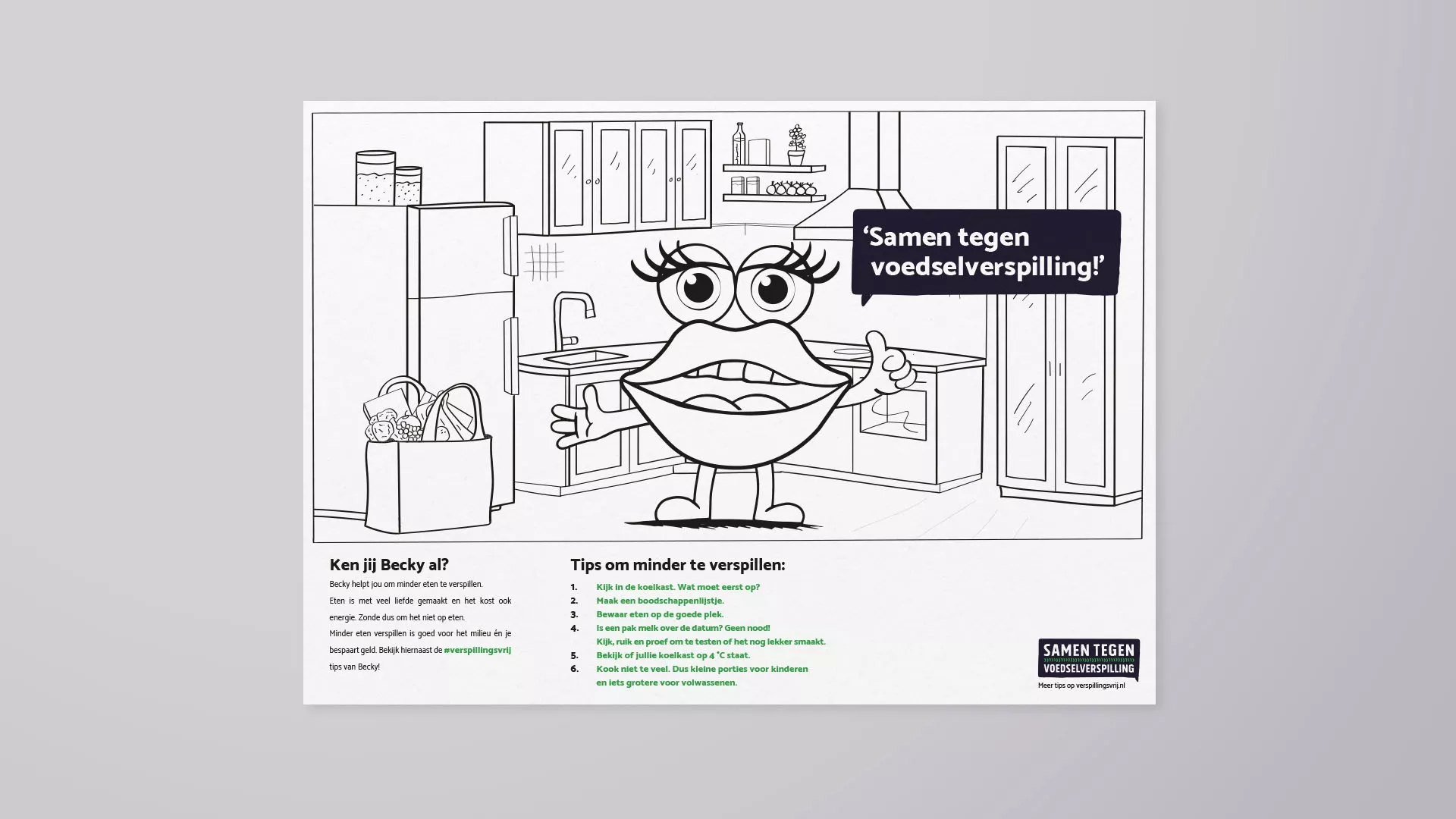
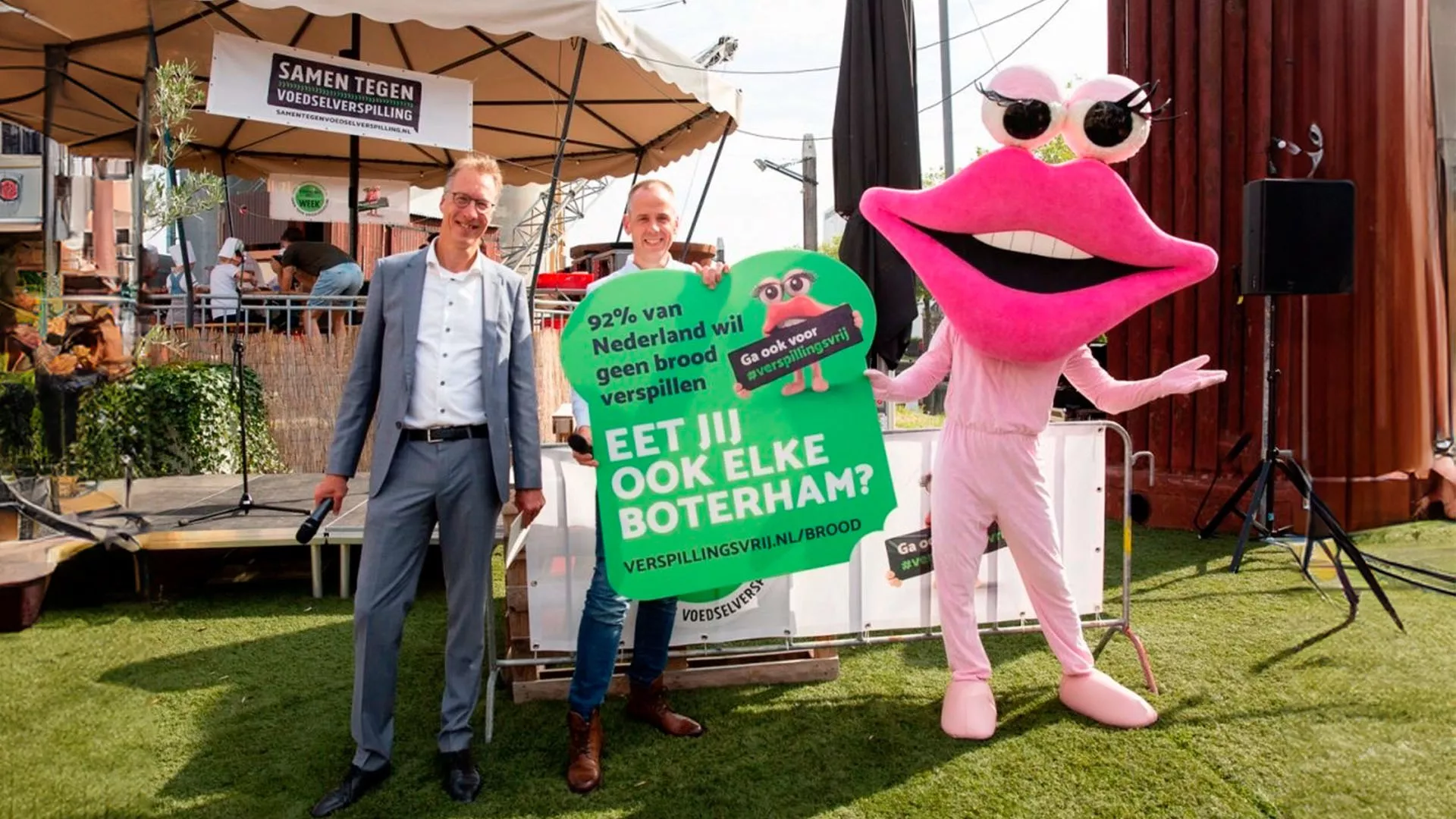
Becky, the chatty mouth, gave the idea a light and recognisable voice to tell the story. Not as a finger-wagging authority, but as someone with a practical tip at just the right moment.
From “never eaten food”, the campaign grew into a multi-year narrative system. The shift was from an abstract problem to everyday action: small things you can start doing today: planning better, storing food more cleverly, using leftovers, understanding expiration dates and looking, smelling and tasting before you throw something away.
From: food waste is bad for the climate and your wallet.
To: don’t let perfectly good food go uneaten.
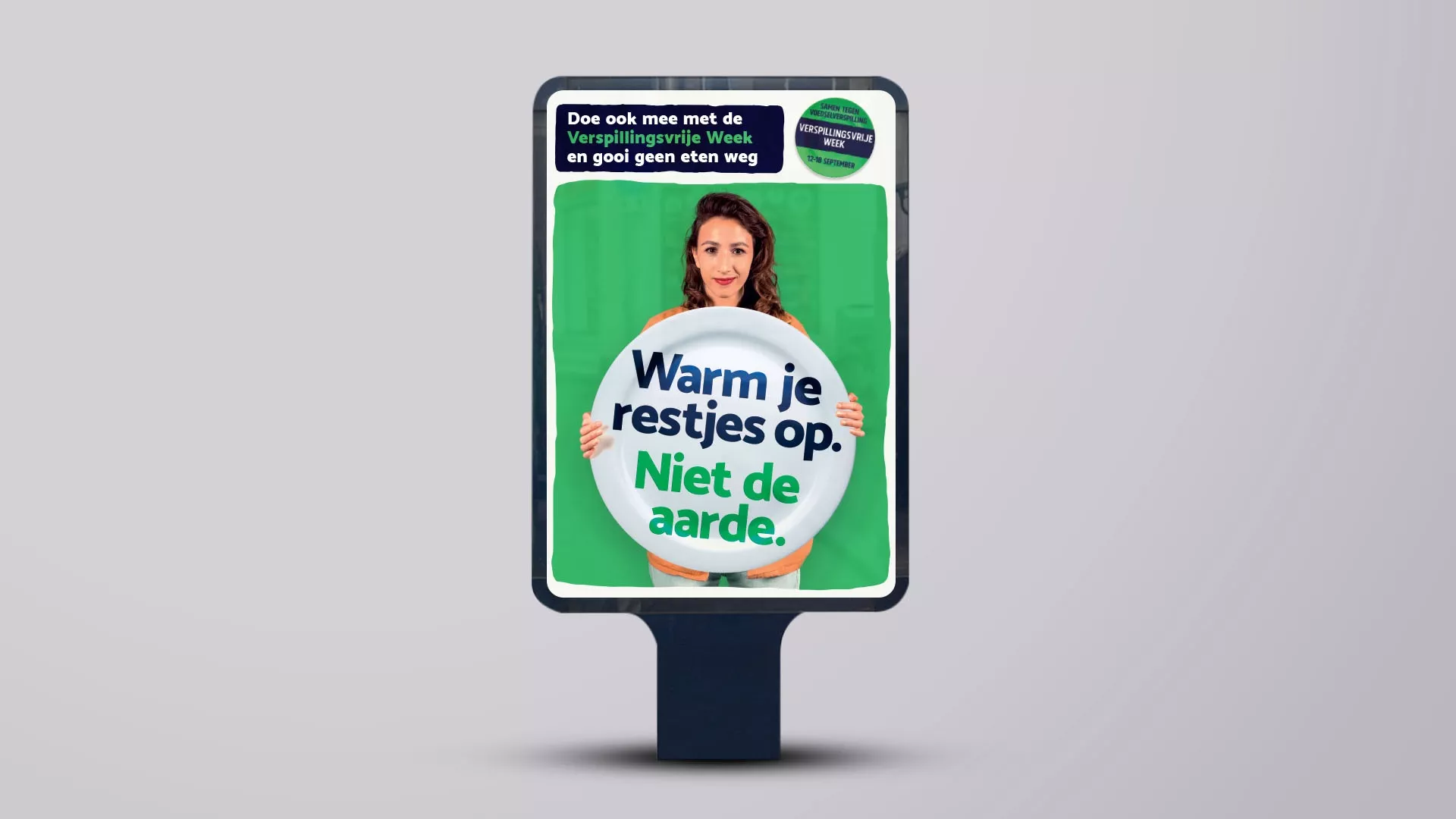
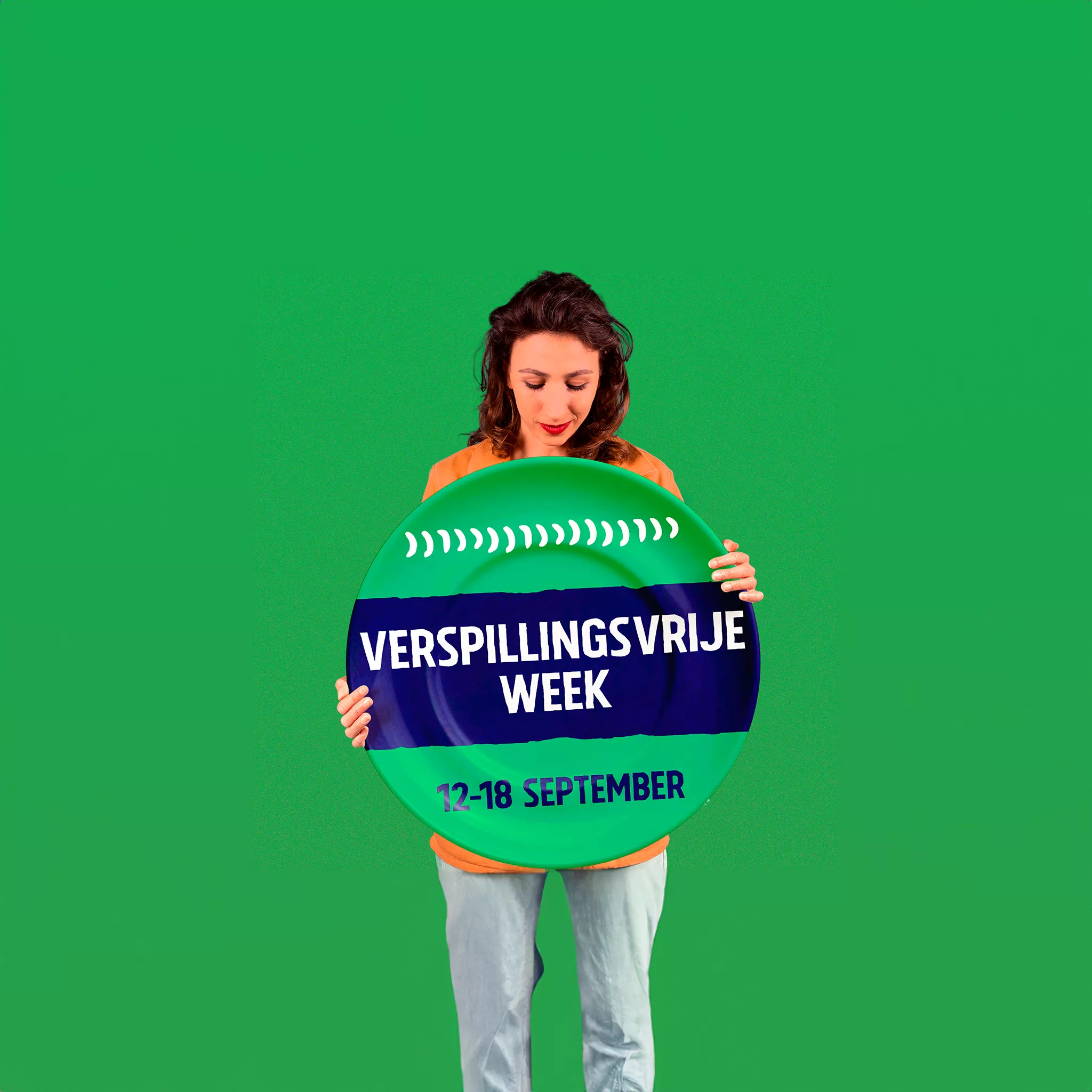
In this way, wasting less food became a practical choice rather than a moral instruction. A movement anyone who eats can take part in. Each year, that movement gets an extra boost during the Verspillingsvrije Week (food-waste-free-week).
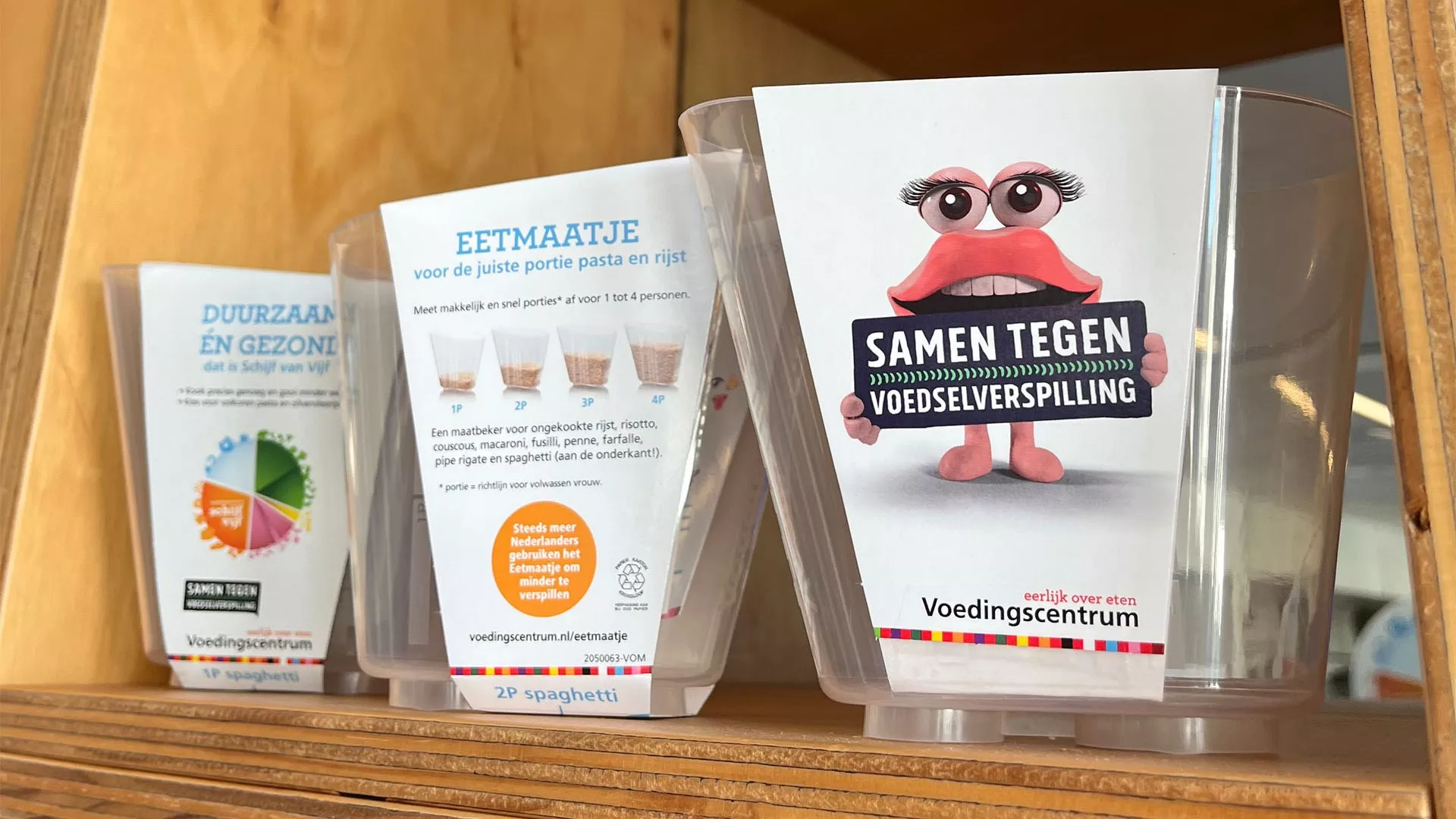
Truman developed, among others: