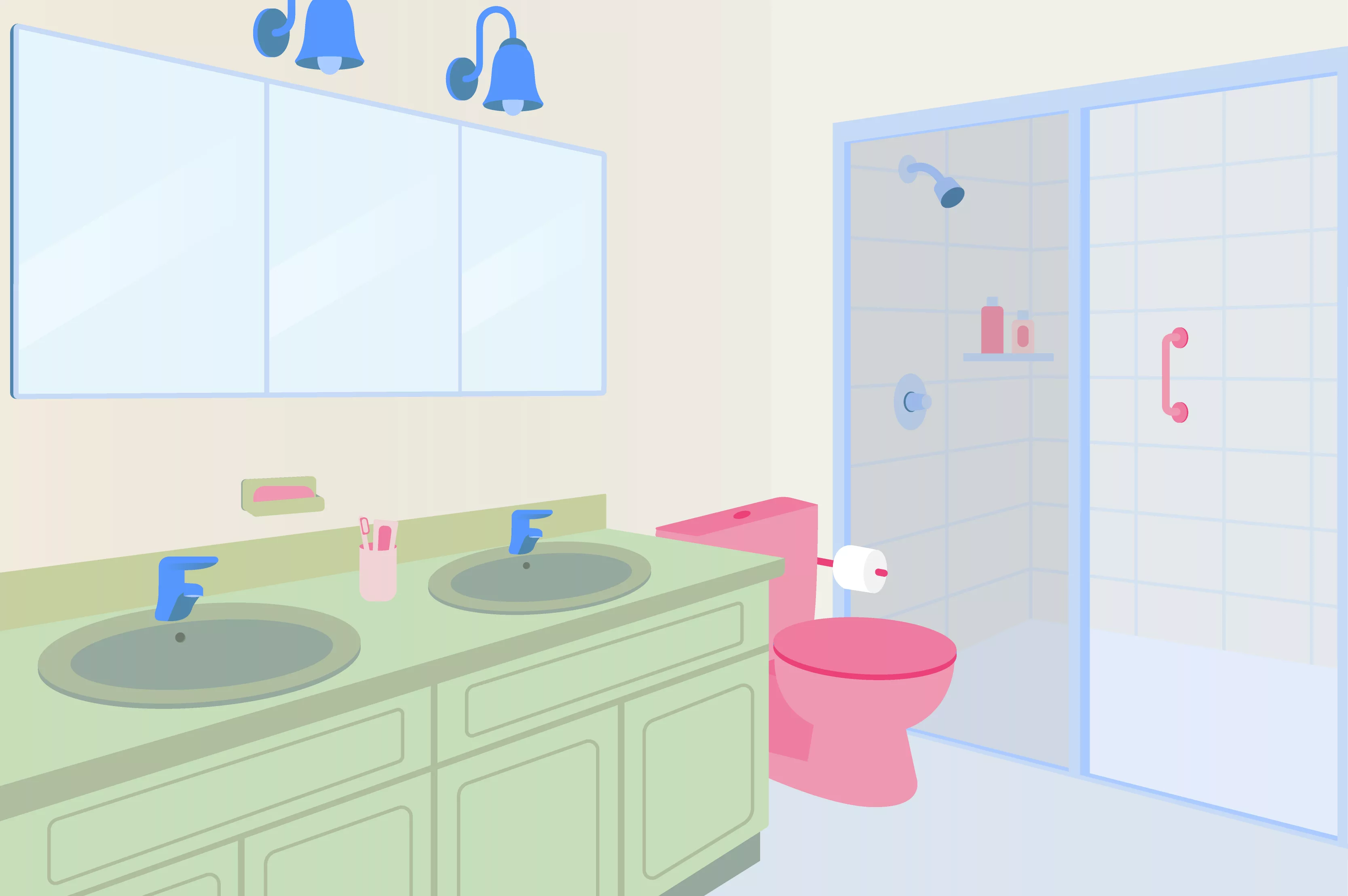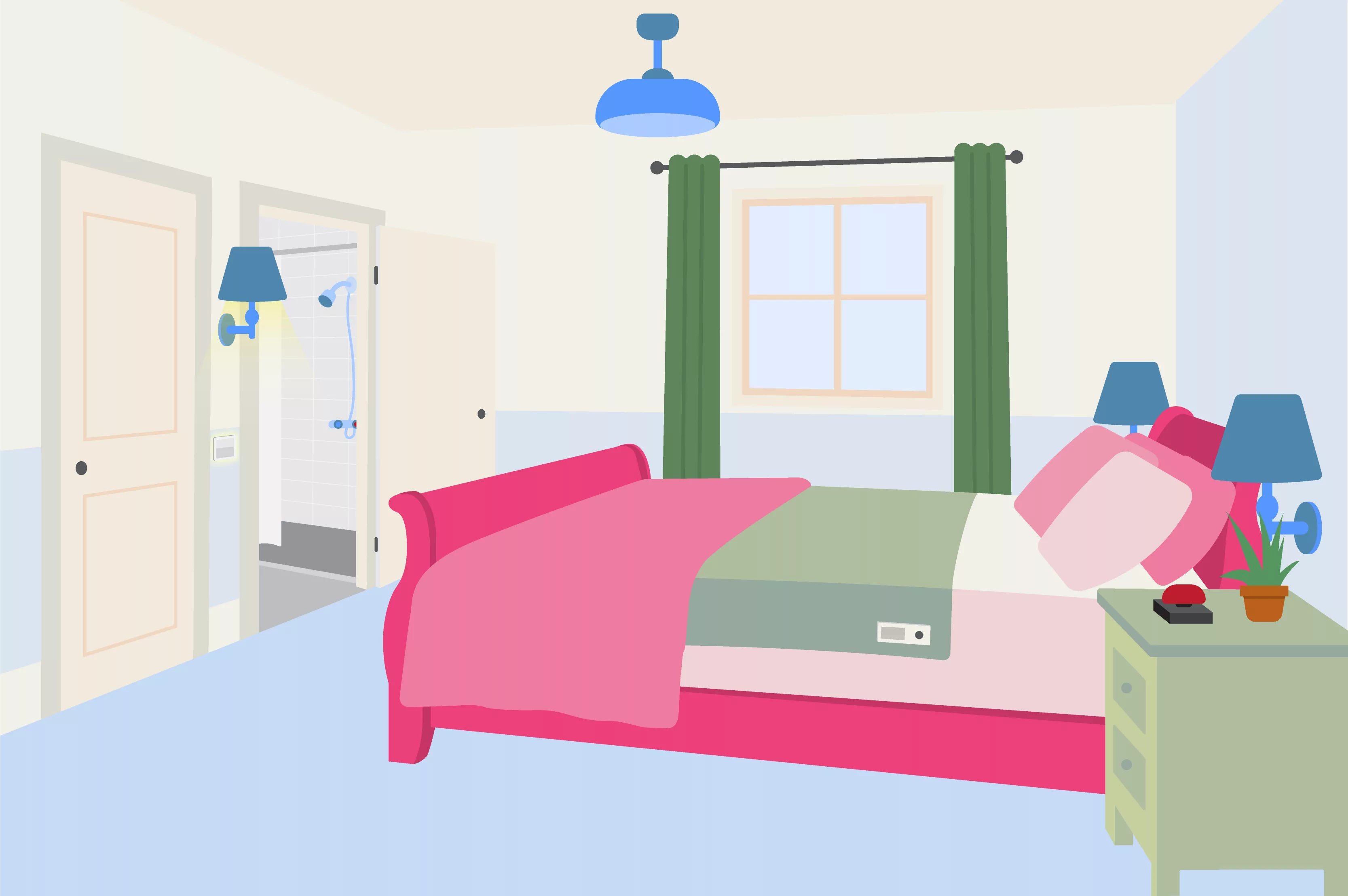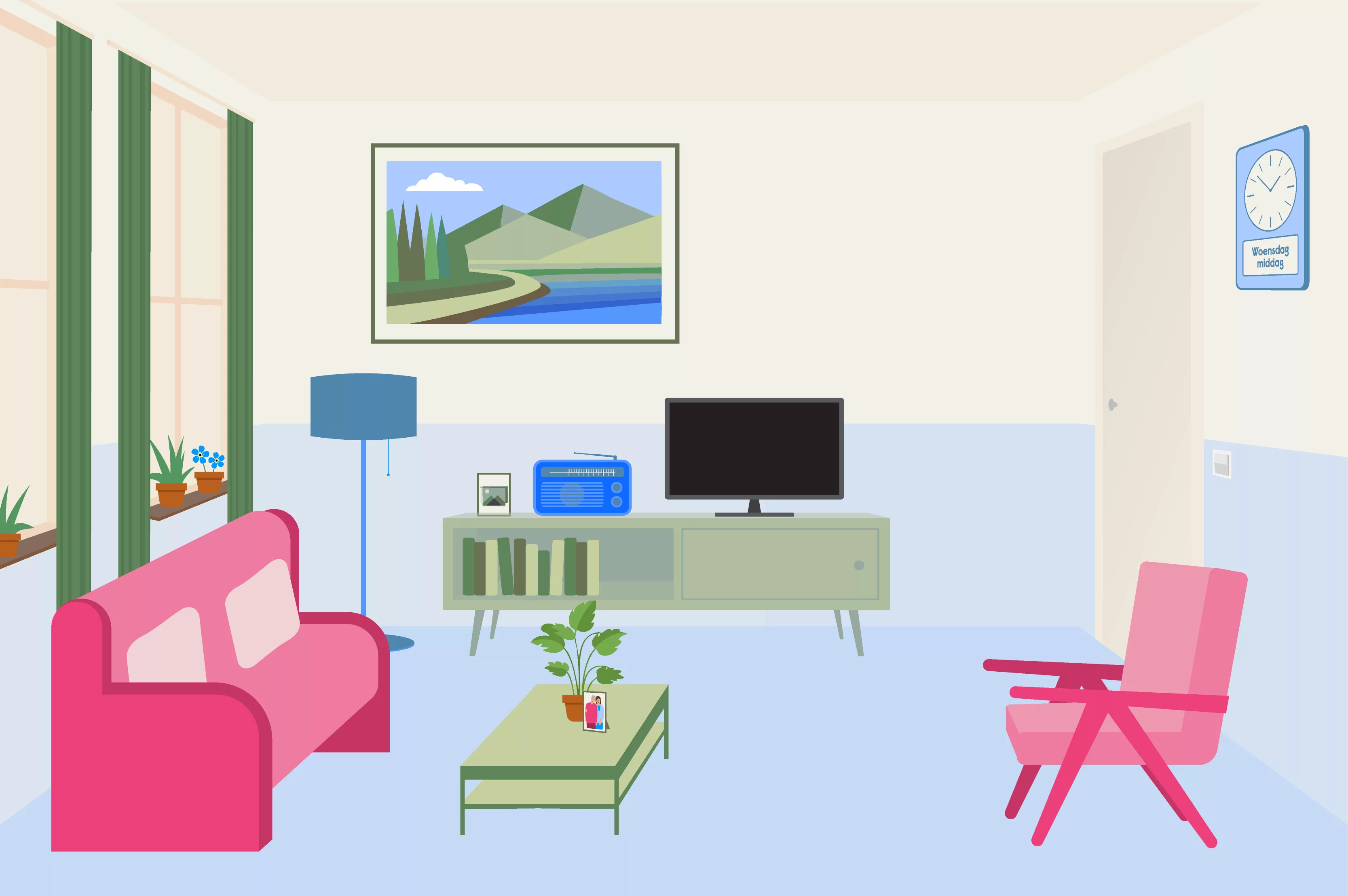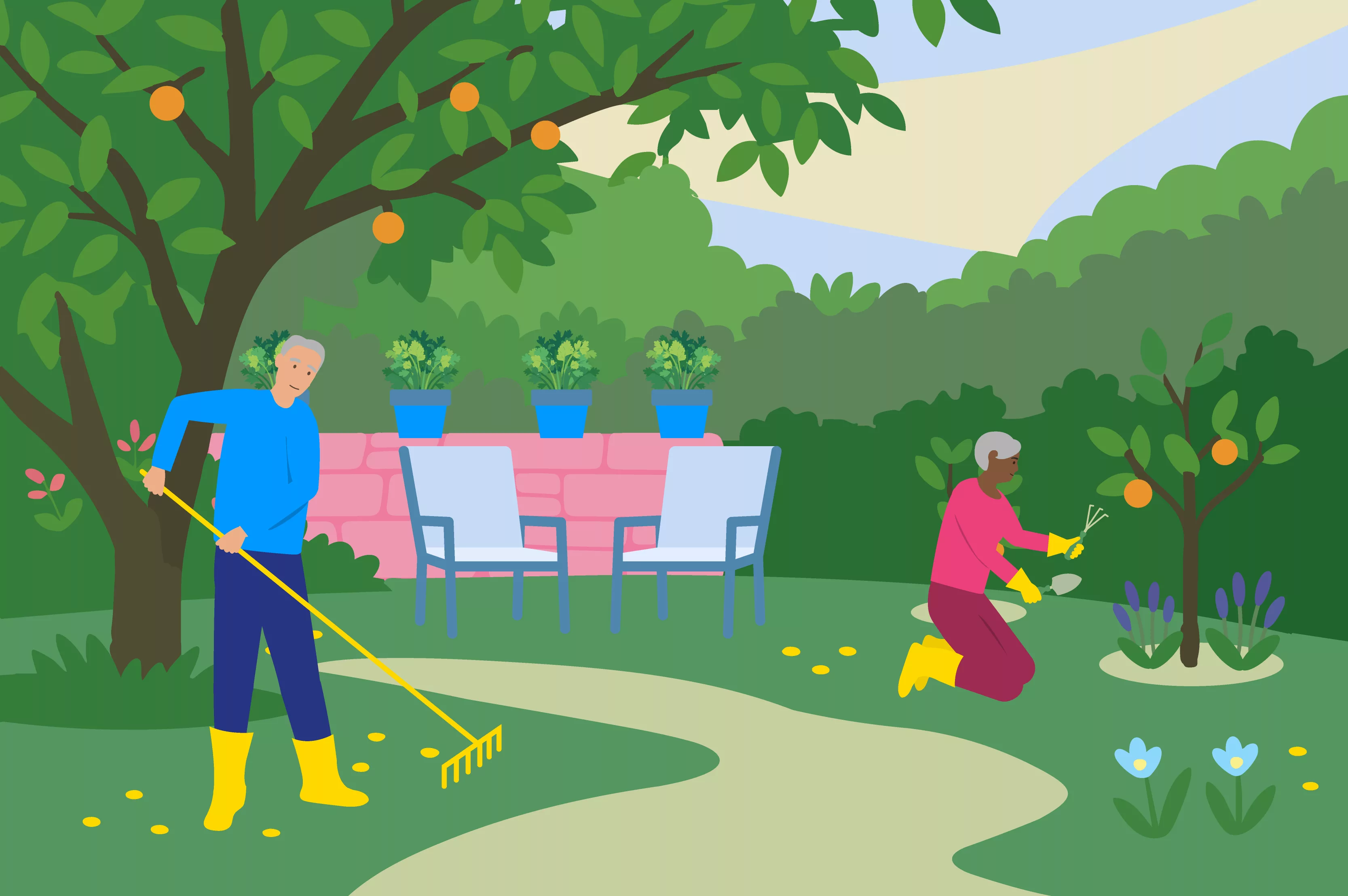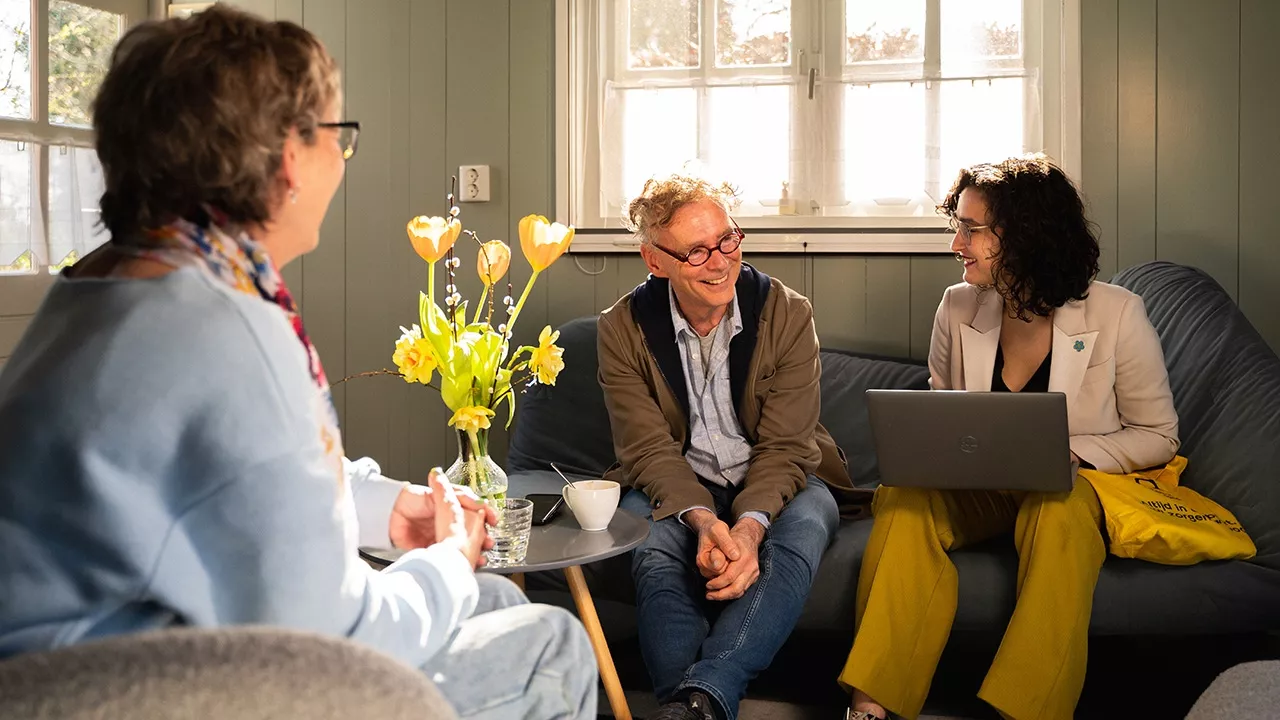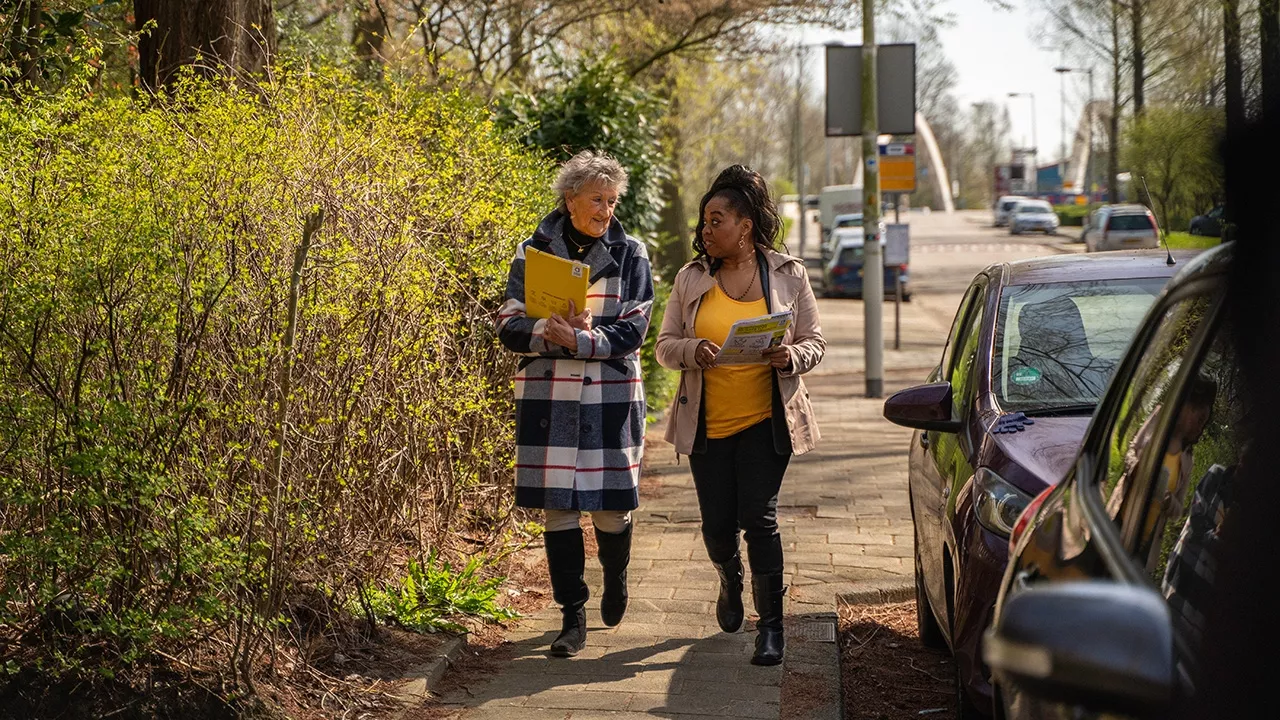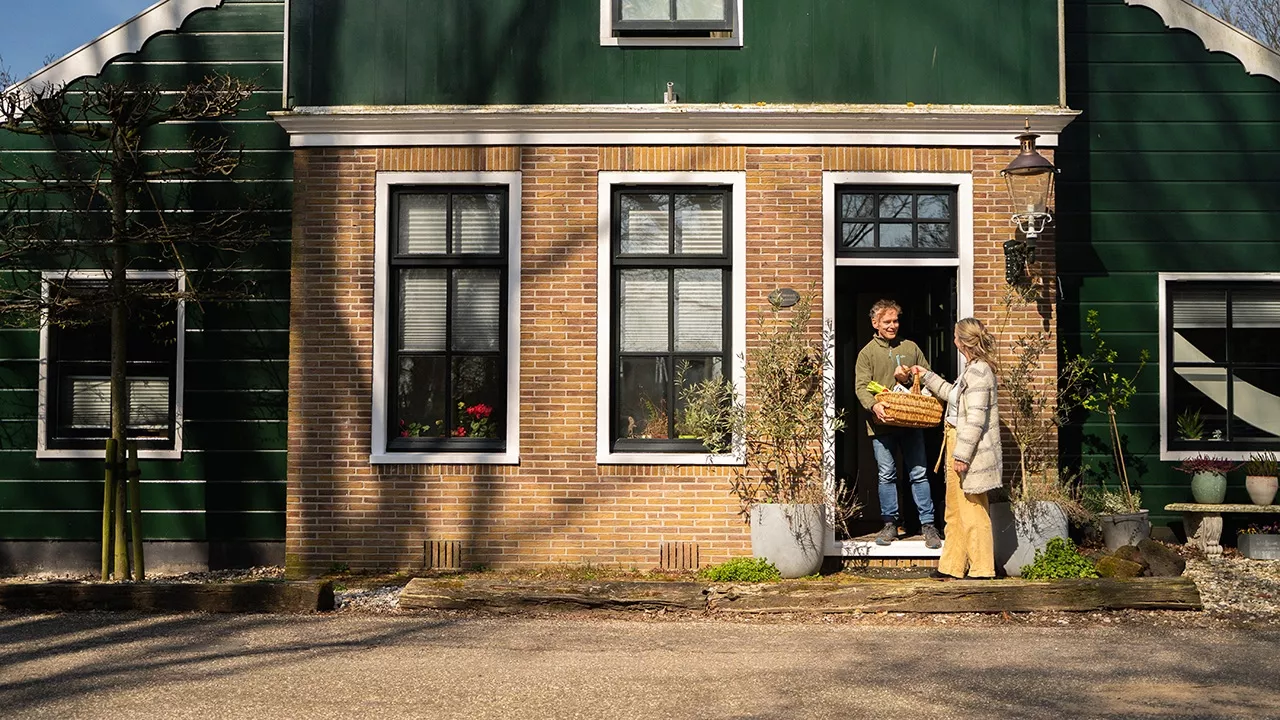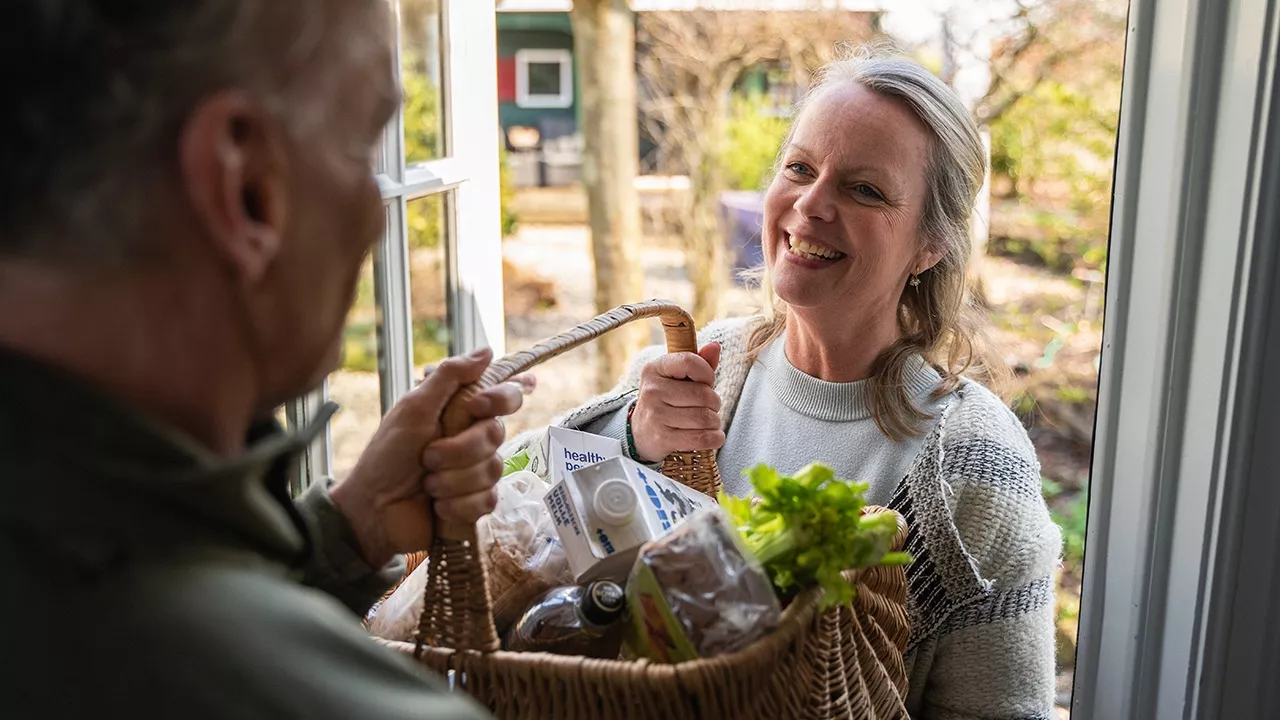
Who deals with dementia, has a lot to process all at the same time: uncertainty, emotion, practical questions and major changes to everyday life.
Alongside research, Alzheimer Nederland offers extensive help and support through dementie.nl, the DementieLijn, Alzheimer Cafés, meeting points and volunteers. But at the very moment people need support, they are often in survival mode.
Dementia is not only about memory loss or medical information. It also affects relationships, housing, safety, work, care, money, the future and parting.
Help exists, but it has to be found, understood and felt. Communication that was too factual would miss the emotional reality. Communication that was too emotional could overwhelm people. Awareness alone would not be enough.
The real question became: how do you help people feel they are not alone, precisely when dementia becomes too much to carry by themselves?
The breakthrough was to begin with people’s lived experience.
Not the services. Not the organisation. Not an explanation of dementia. But what people feel when dementia enters their lives:
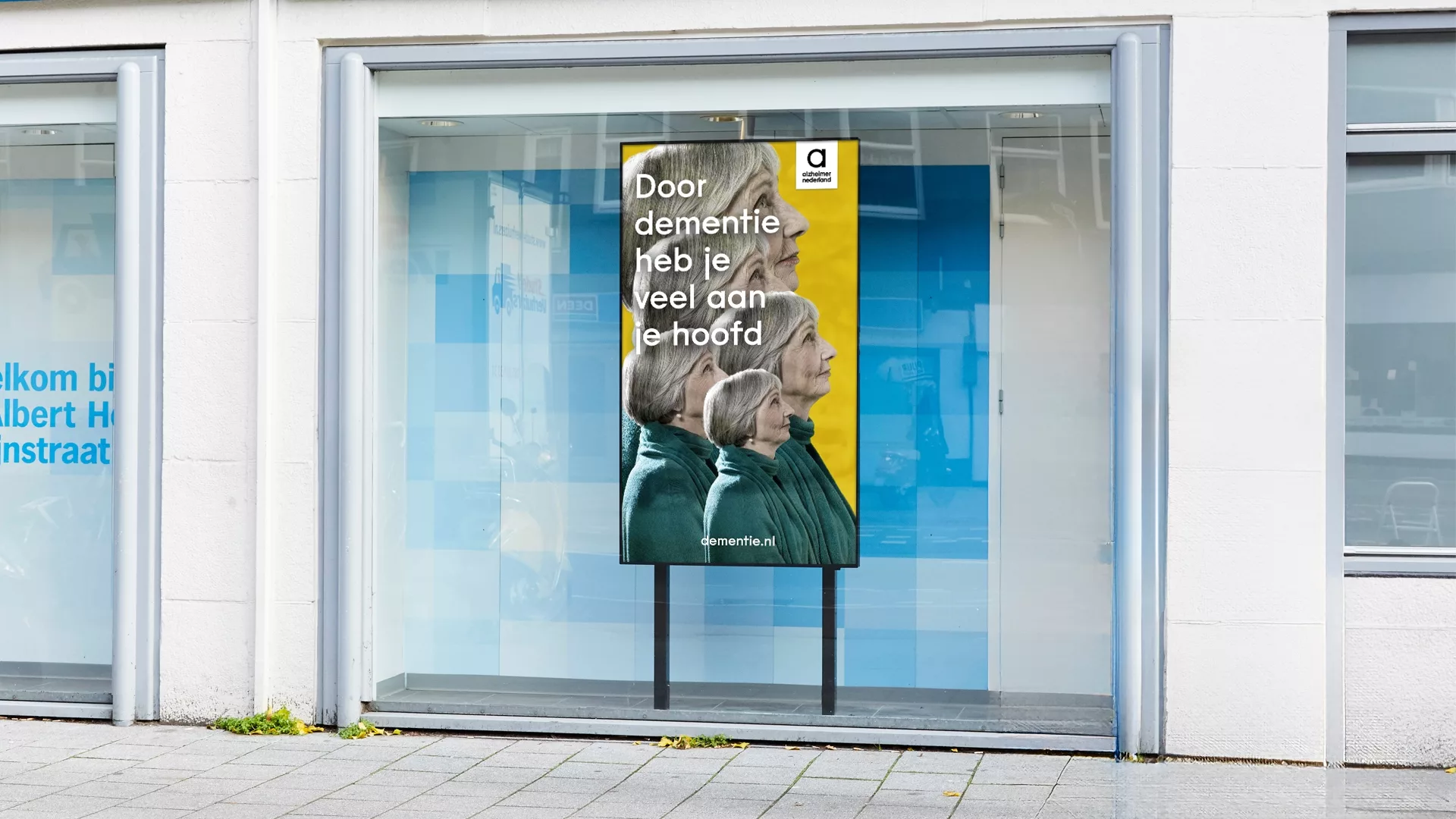
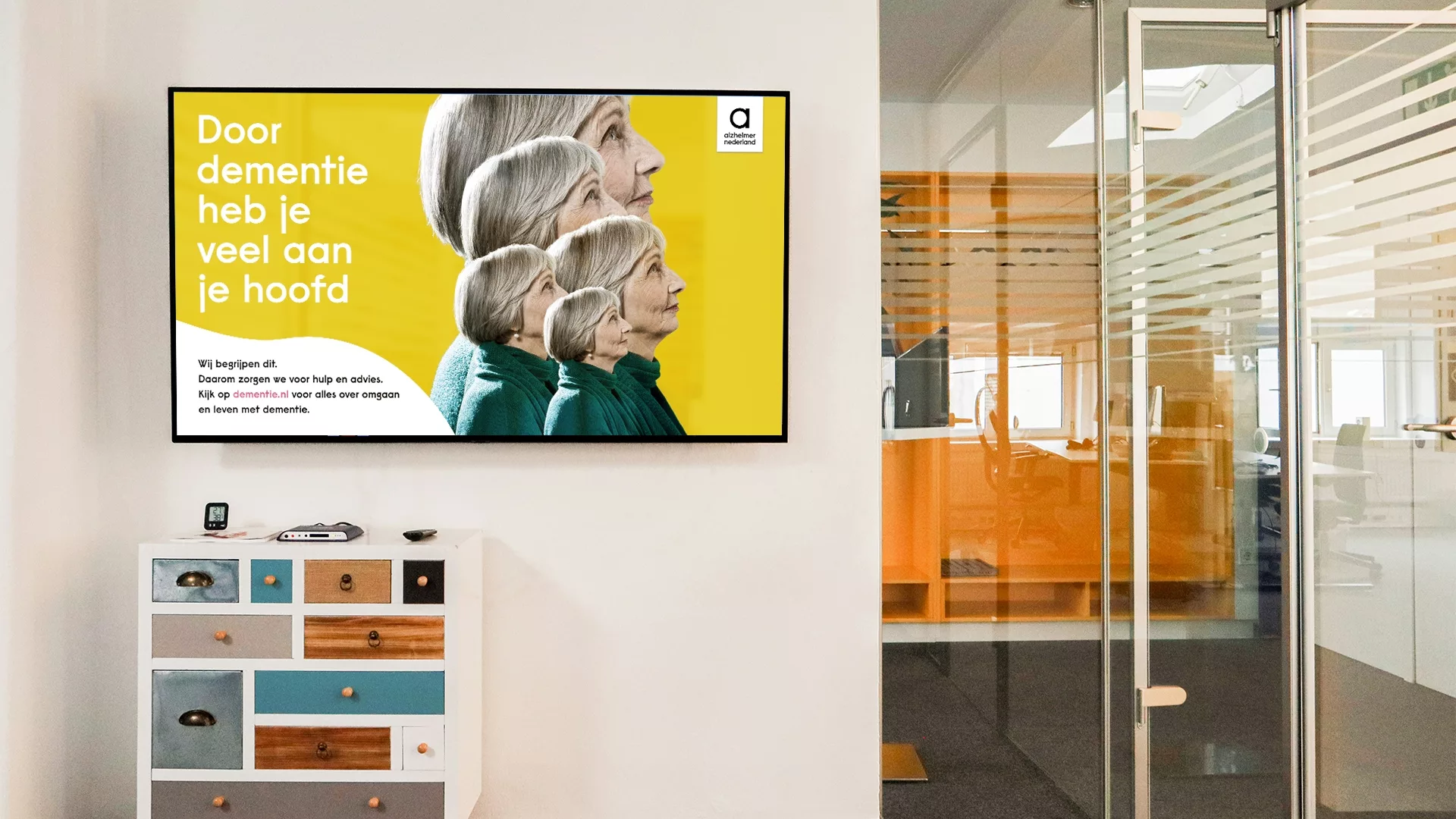
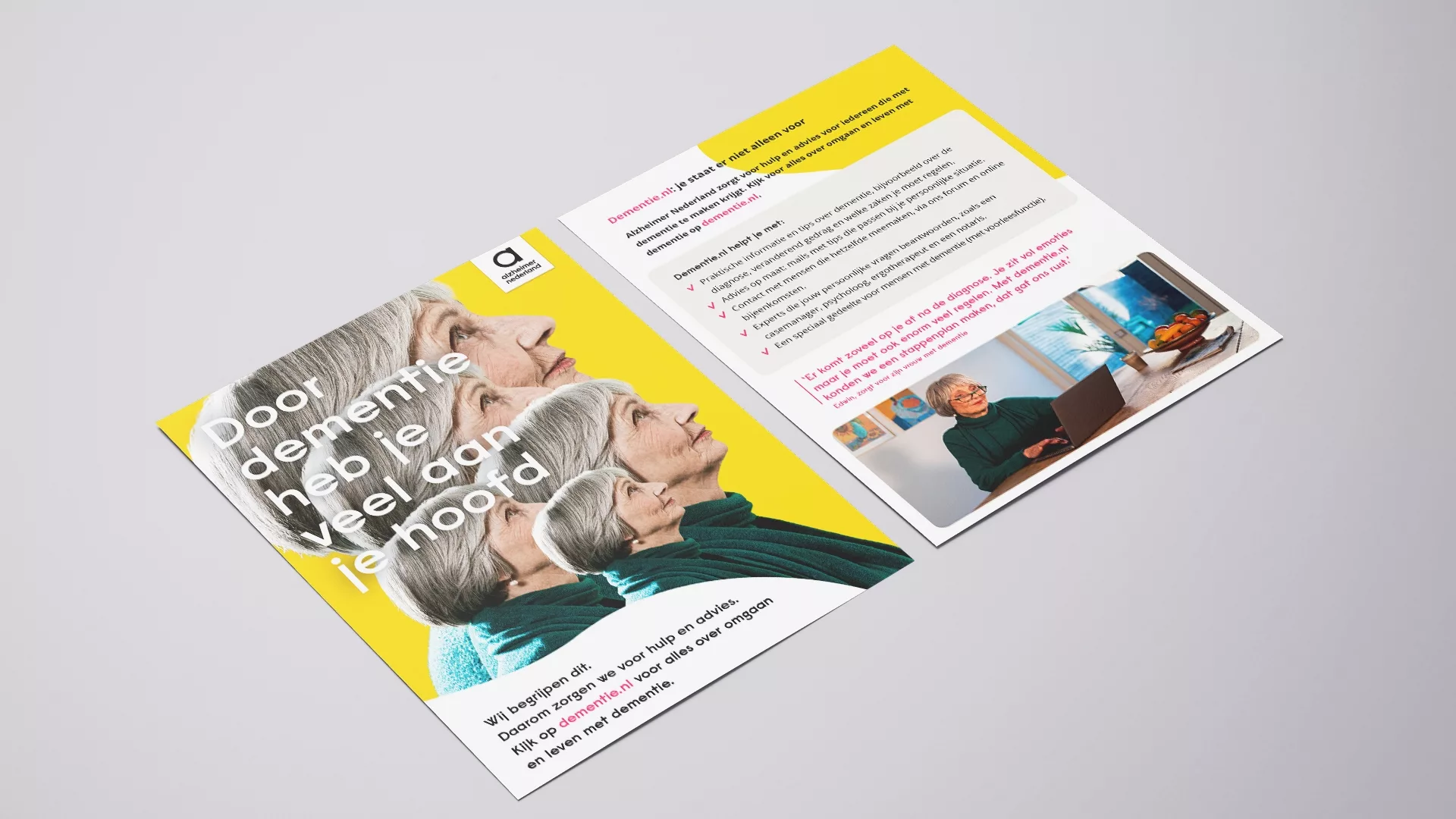
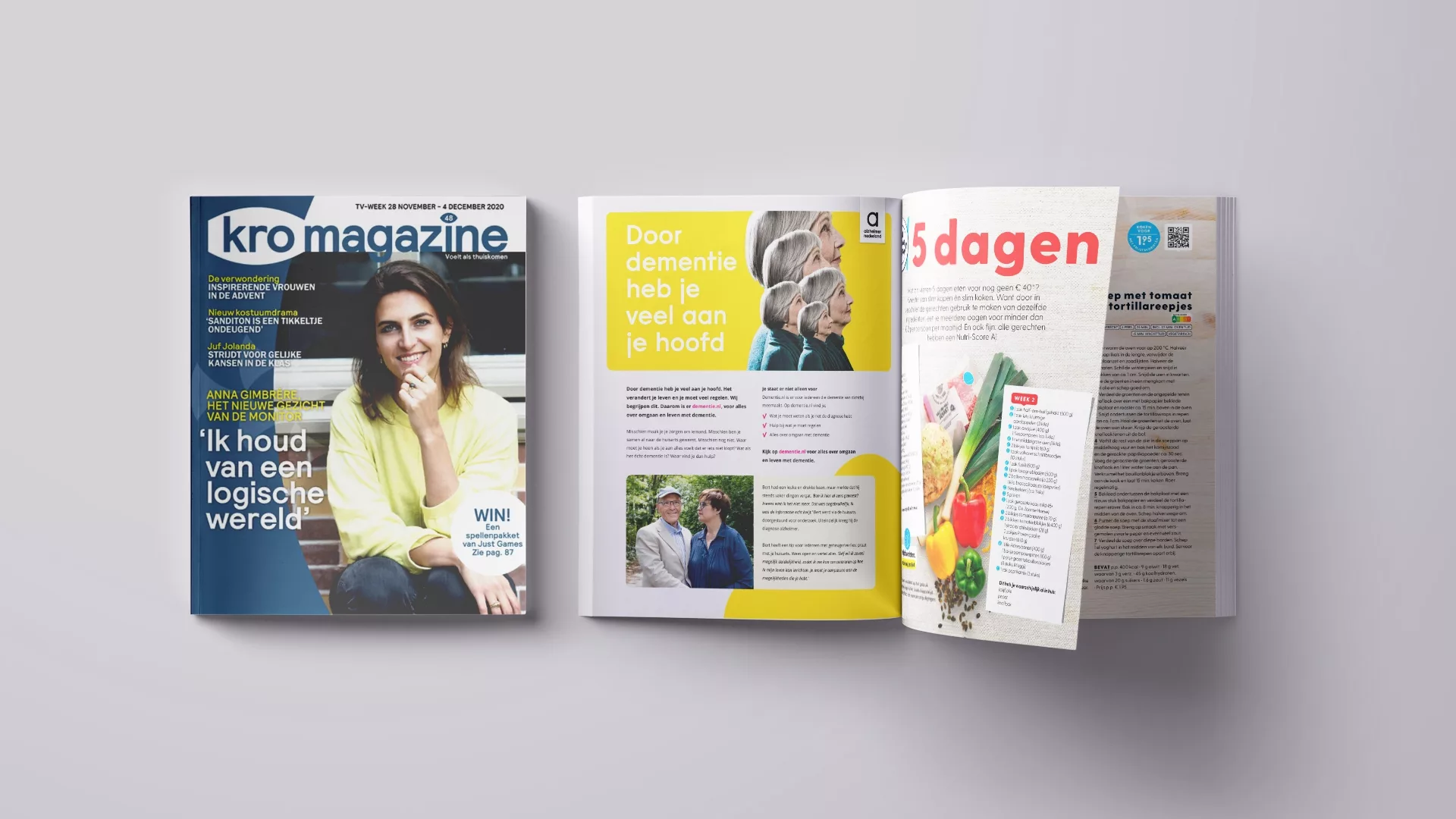
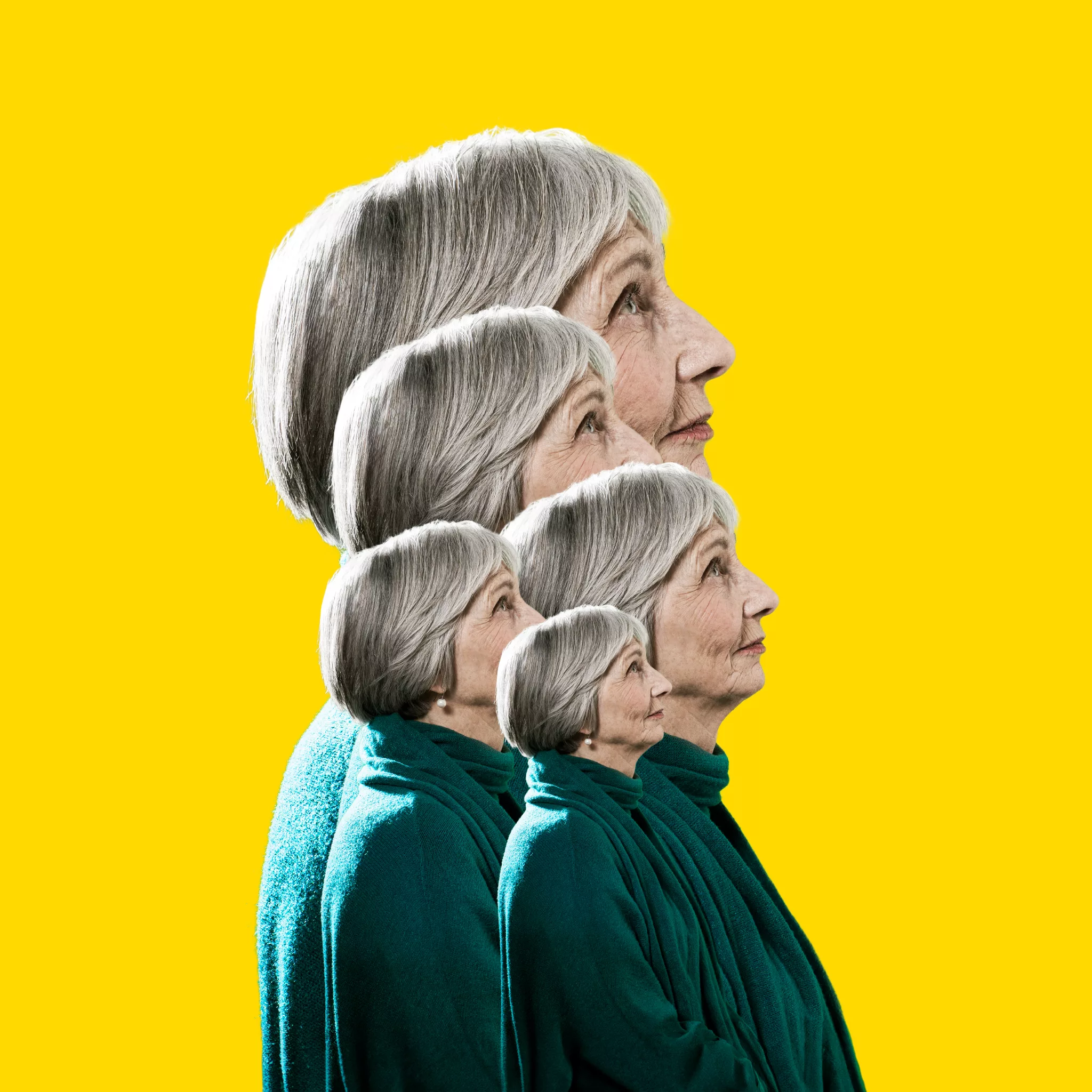
A lot on your mind.
That thought captured what dementia does. You literally and figuratively have a lot on your mind: because of the condition itself, and because of everything that comes with it.
That shifted Alzheimer Nederland’s role:
From: information provider.
To: ally. A supporter that stands beside people with calm, insight, perspective and practical support.
A lot on your mind became a long-lasting creative platform around help and support. The concept connected different support services into one recognisable campaign and showed that the right kind of help is available at different moments.
The movement came by shifting from providing information to giving people something to hold on to.
From: separate support services.
To: you do not have to do this alone.
The campaign acknowledged the emotional load. Explainers brought calm to complex information. The illustration style made difficult subjects more accessible. And the volunteer film showed that support can also be another person simply being there.
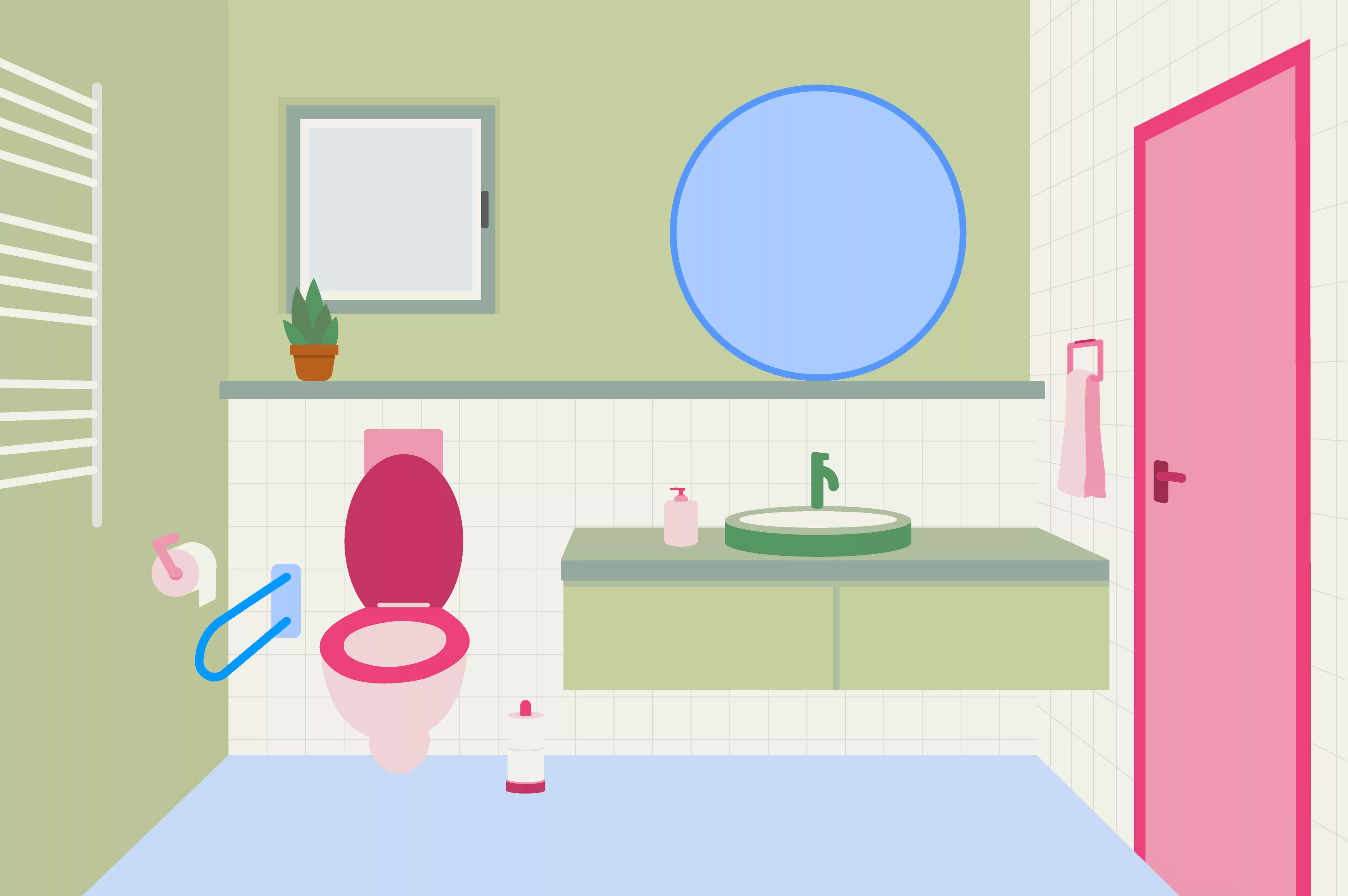
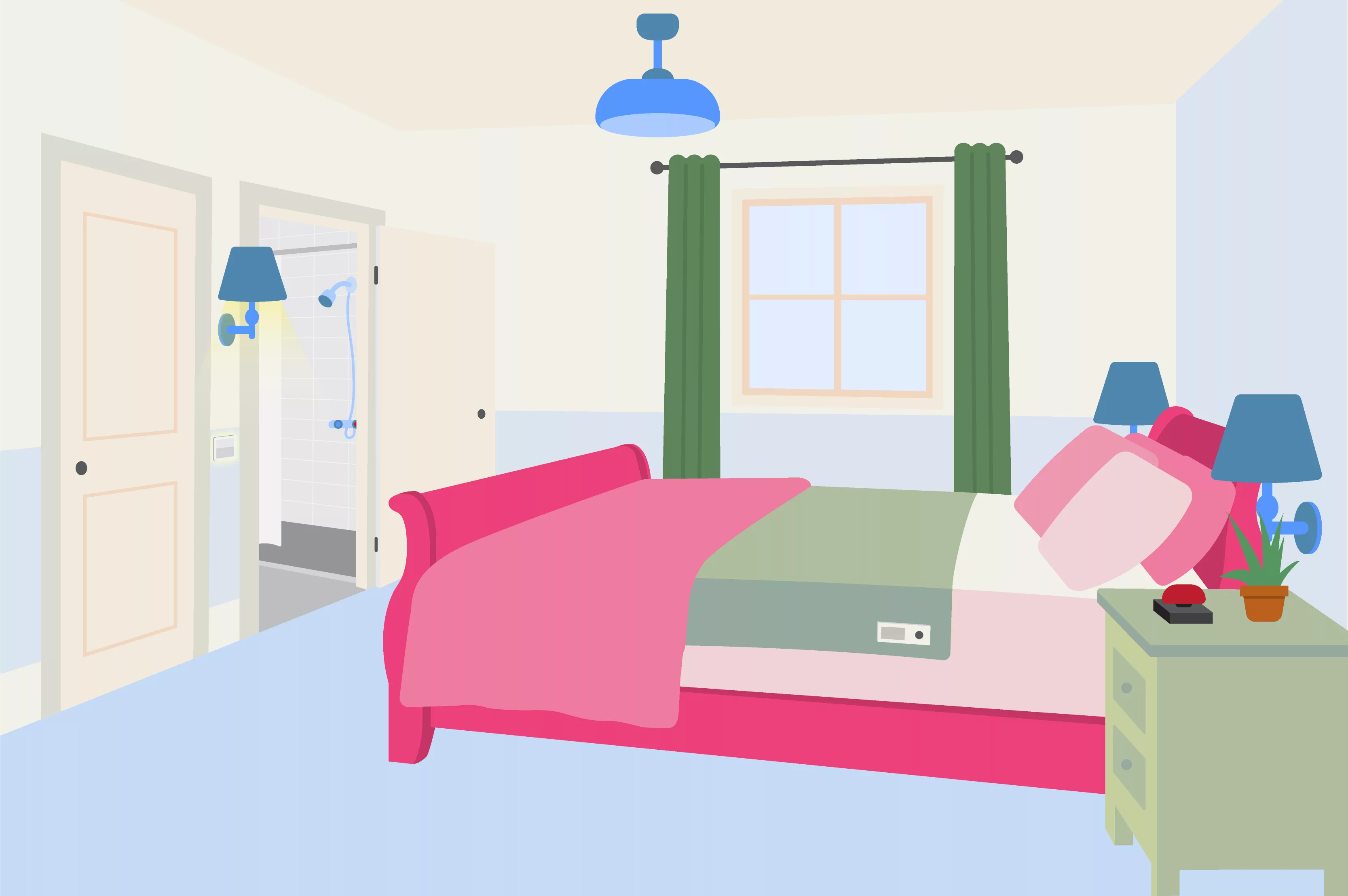
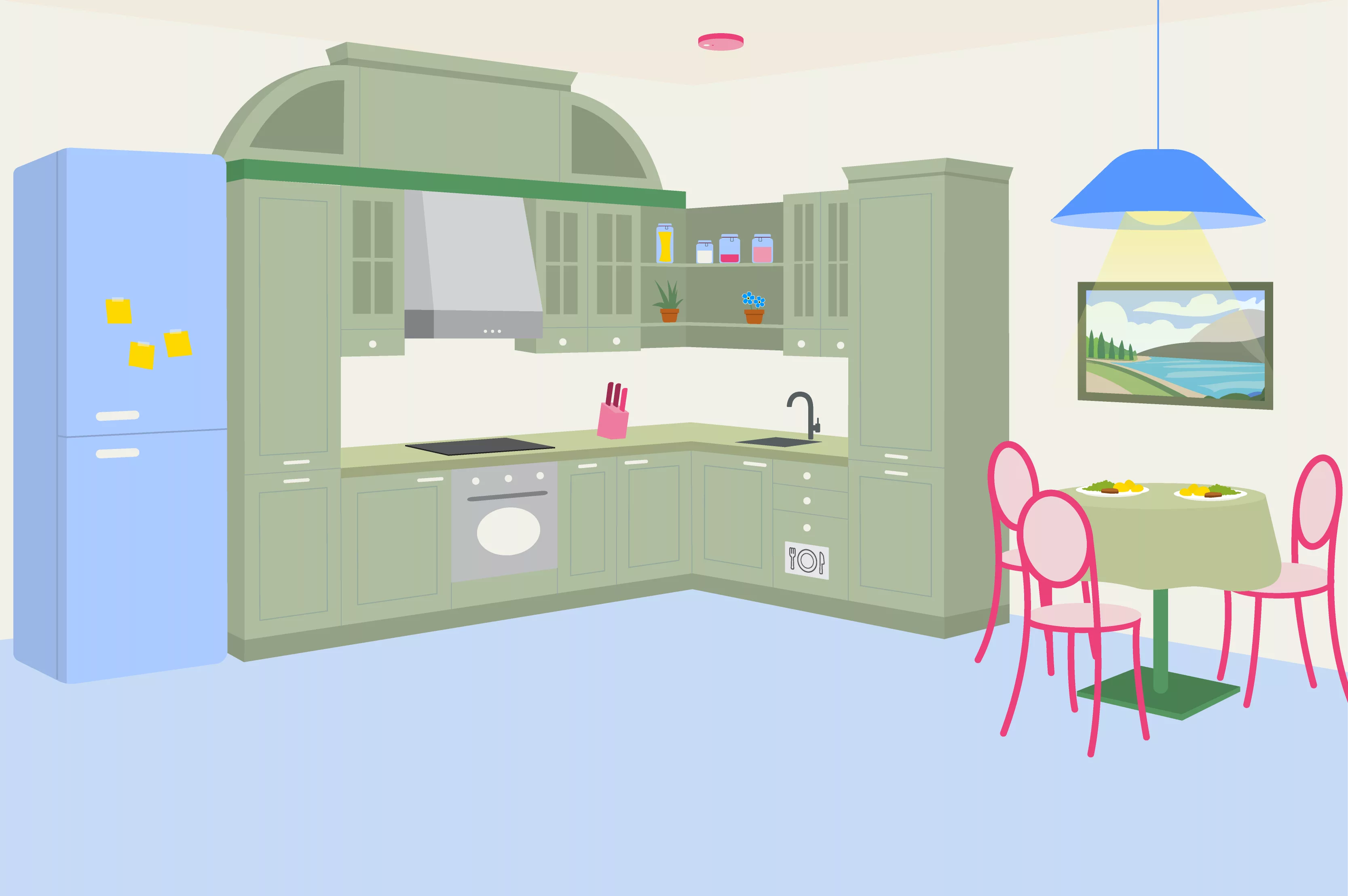
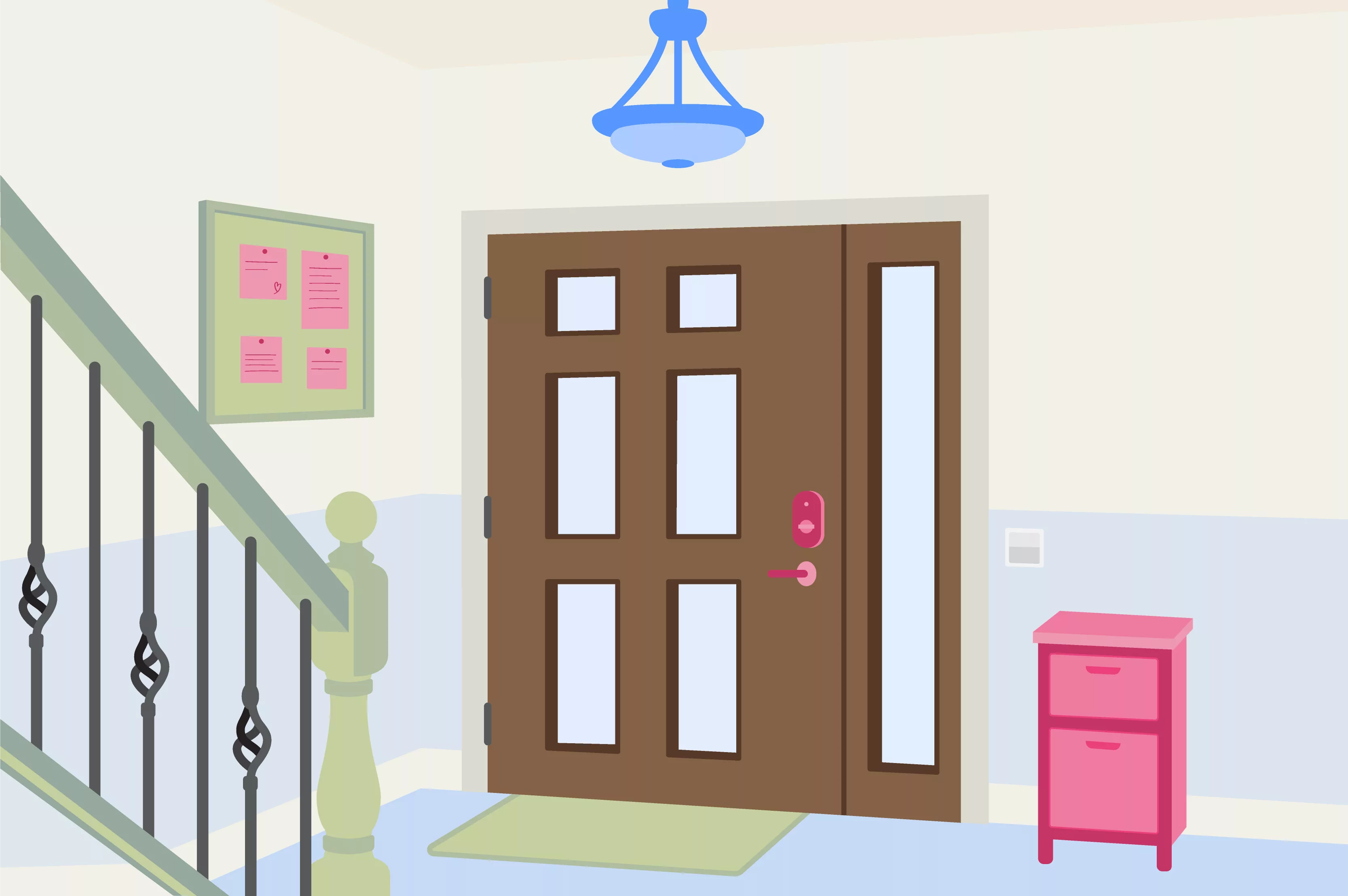
Truman developed, among others: